Rather than ushering in a “golden age,” President Donald Trump’s tariffs and his war with Iran appear to have played a major role in killing a North Carolina tire factory.
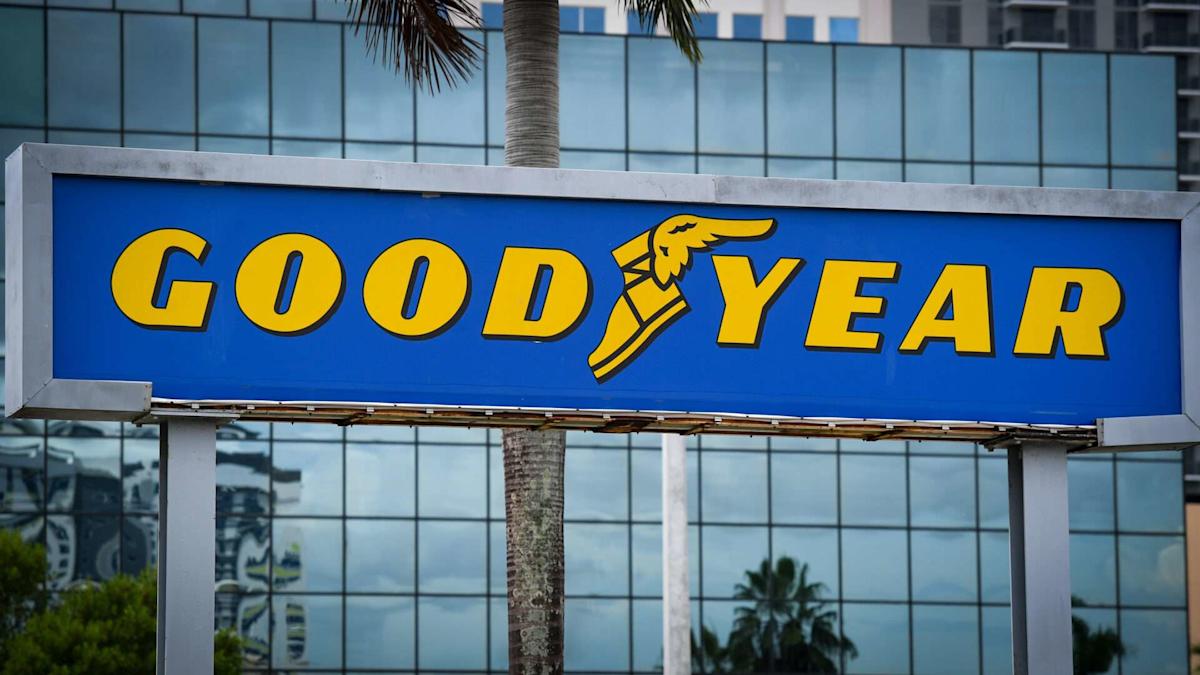
Goodyear Rubber & Tire Co. announced this week that it will close its plant in Fayetteville, North Carolina, which currently employs more than 1,700 workers. A company executive said the decision to close the plant was “to enhance Goodyear’s ability to compete in today’s marketplace and support the long-term health of the business.” cityscapea news and lifestyle magazine based in Fayetteville.
Translating this PR rhetoric is easier when you look at what company executives have been telling investors.
Goodyear lost $249 million in the first three months of this year, compared with a profit of $115 million in the same period last year, three months before Trump announced the tariffs. In making the announcement, CEO Mark Stewart said “increased raw material costs” caused by the war would force Goodyear to take “meaningful action to strengthen our cost structure.”
Fayetteville’s 1,700 employees appear to be on the receiving end of this move — and to them, it certainly makes sense.
The tariffs are another big blow to Goodyear. The company said it expected to receive a $46 million refund after the Supreme Court ruled that Trump’s sweeping “emergency” tariffs were illegal. Goodyear Chief Financial Officer Christina Zamarro said on an earnings call last week that even with the refund, inflation and tariffs would cost the economy $420 million for the full year.
The big problem facing Goodyear goes to the heart of the Trump administration’s misguided view of global trade.
In short: It’s impossible to make tires without rubber, and it’s impossible to buy non-imported rubber—because rubber trees don’t grow in the United States. (Unless you count the rubber at the U.S. Arboretum in Washington, which probably doesn’t produce enough rubber to meet Goodyear’s needs.)
This means that U.S. tire companies import rubber from places like Thailand, which has a climate ideal for growing rubber trees and produces far more rubber than its domestic industry consumes. Of course, Thailand exports large amounts of its excess rubber to other parts of the world, including the United States.
However, the Trump administration views other countries with excess rubber production as threats to target tariffs. In March, the U.S. Trade Representative’s office claimed that Thailand’s “trade surplus in industries such as rubber” justified imposing higher tariffs on these imports.