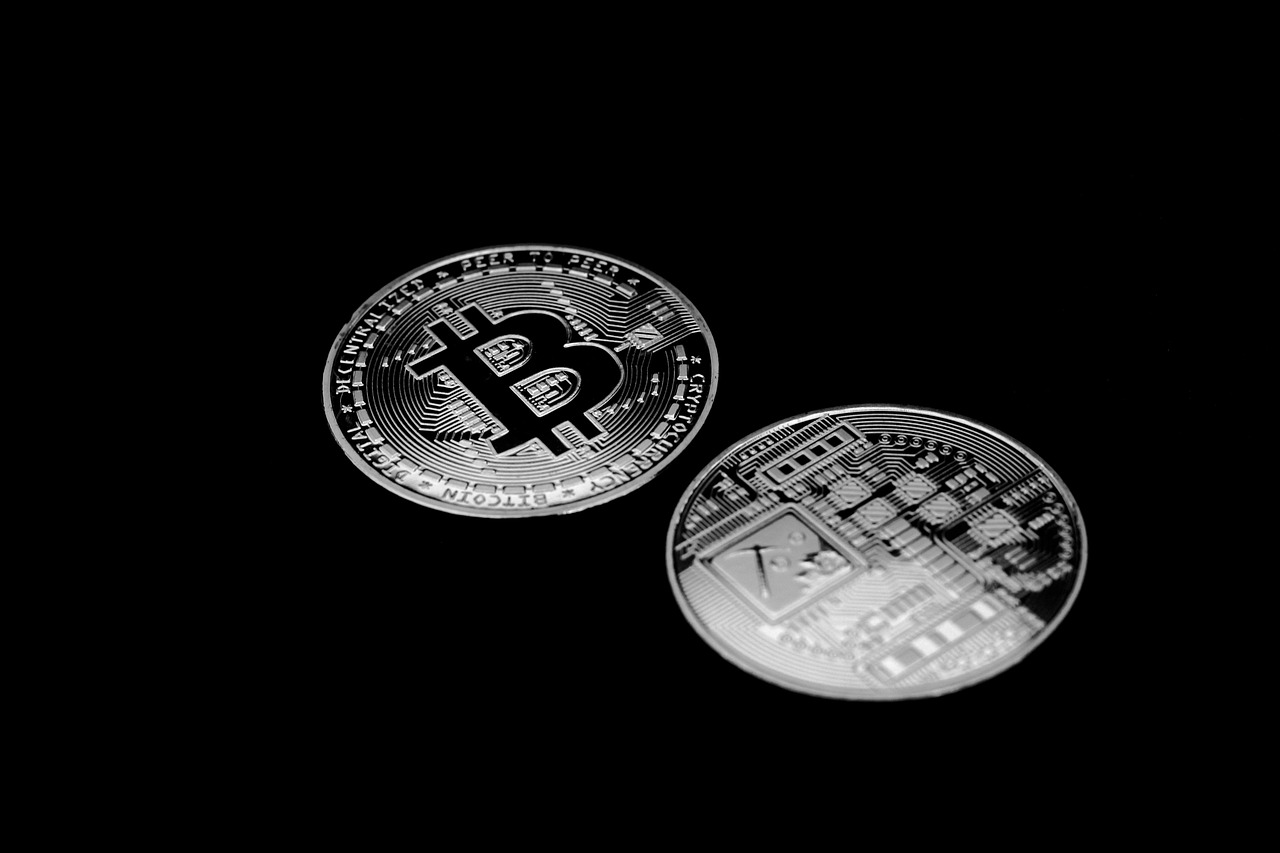
In the rapidly evolving world of digital finance, Centralized Exchanges (CEXs) serve as the primary gateways for millions of investors entering the cryptocurrency market. Acting as the bridge between traditional fiat currencies and the decentralized ecosystem of blockchain, a CEX provides the liquidity, security, and user interface necessary for mainstream adoption. Whether you are a novice looking to buy your first Bitcoin or a seasoned trader executing complex strategies, understanding the mechanics, benefits, and risks of centralized exchanges is essential for navigating the crypto landscape safely and efficiently.
Understanding the Centralized Exchange Model
What is a CEX?
A Centralized Exchange (CEX) is a platform that facilitates the trading of cryptocurrencies through a third-party intermediary. Unlike Decentralized Exchanges (DEXs), which operate on smart contracts, a CEX operates more like a traditional stock brokerage. The exchange maintains custody of user funds and manages the order books, matching buy and sell orders internally.
How CEXs Function
CEXs function by creating a digital marketplace where users deposit their assets into an exchange-controlled wallet. When a trade occurs, the exchange updates its internal ledger to reflect the change in ownership, rather than executing every transaction on the underlying blockchain immediately, which saves on network fees and increases transaction speeds.
- Custodial Services: The exchange holds the private keys to your assets.
- Order Books: The platform maintains a list of buy and sell orders to determine market price.
- Fiat Integration: Most CEXs allow direct deposits from bank accounts or credit cards.
Key Advantages of Using a CEX
Enhanced User Experience and Liquidity
One of the primary reasons investors prefer CEXs is their intuitive design. Platforms like Binance, Coinbase, and Kraken are built to handle high trading volumes, providing deep liquidity that ensures users can enter or exit positions quickly with minimal “slippage.”
Customer Support and Regulatory Compliance
Unlike decentralized platforms, centralized exchanges offer dedicated customer support teams to resolve issues, such as lost passwords or failed transfers. Furthermore, top-tier CEXs adhere to strict regulatory standards, including Know Your Customer (KYC) and Anti-Money Laundering (AML) protocols, which provides a layer of legal protection for users.
- Access to professional trading tools and charts.
- Instant conversion between fiat and crypto.
- Institutional-grade security features like 2FA and cold storage.
Security Best Practices for CEX Users
The Importance of Personal Security
While centralized exchanges invest millions in cybersecurity, the weakest link is often the individual user. You must take proactive steps to secure your account, as CEXs are high-value targets for hackers.
- Enable Multi-Factor Authentication (MFA): Never rely on SMS; use hardware keys like YubiKey or authenticator apps (e.g., Google Authenticator).
- Use Strong, Unique Passwords: Utilize a password manager to ensure your login credentials are encrypted and complex.
- Whitelisting Addresses: Enable withdrawal whitelisting, which ensures funds can only be sent to pre-approved wallet addresses.
Cold Storage and Proof of Reserves
In the wake of industry volatility, many reputable CEXs now provide “Proof of Reserves” (PoR) to verify that they hold sufficient collateral to cover user balances. Users should prioritize exchanges that undergo regular third-party audits to ensure transparency.
CEX vs. DEX: Choosing the Right Platform
Comparing Centralized and Decentralized Systems
Choosing between a CEX and a DEX depends on your trading goals and your level of comfort with technology. A CEX is ideal for beginners and high-frequency traders, while a DEX is better for users who prioritize privacy and self-custody.
- Custody: CEXs hold your keys (Custodial); DEXs require you to hold your own keys (Non-custodial).
- Trading Fees: CEXs generally charge trading fees, while DEXs involve gas fees paid to the blockchain network.
- Privacy: CEXs require identity verification; DEXs allow for anonymous trading.
The Future of Centralized Exchanges
Integration with Web3 and DeFi
The line between CEX and DEX is becoming increasingly blurred. Many centralized exchanges are now integrating DeFi (Decentralized Finance) features, allowing users to earn interest through staking or yield farming directly from their exchange accounts. This hybrid approach offers the convenience of a CEX with the financial benefits of decentralized protocols.
Regulatory Shifts
As governments worldwide refine their cryptocurrency legislation, CEXs are becoming the primary focus of regulation. This shift is likely to lead to increased market stability and wider institutional adoption, making CEXs the most reliable entry point for global financial integration.
Conclusion
Centralized exchanges remain the backbone of the cryptocurrency market, offering the speed, liquidity, and accessibility needed to support global digital asset trading. By choosing a reputable platform, adhering to strict security protocols like MFA, and staying informed about regulatory changes, investors can effectively leverage these platforms to build and manage their portfolios. While decentralization offers unique freedoms, the convenience and safety nets provided by a professional CEX continue to be indispensable for both individual and institutional investors in the digital age.