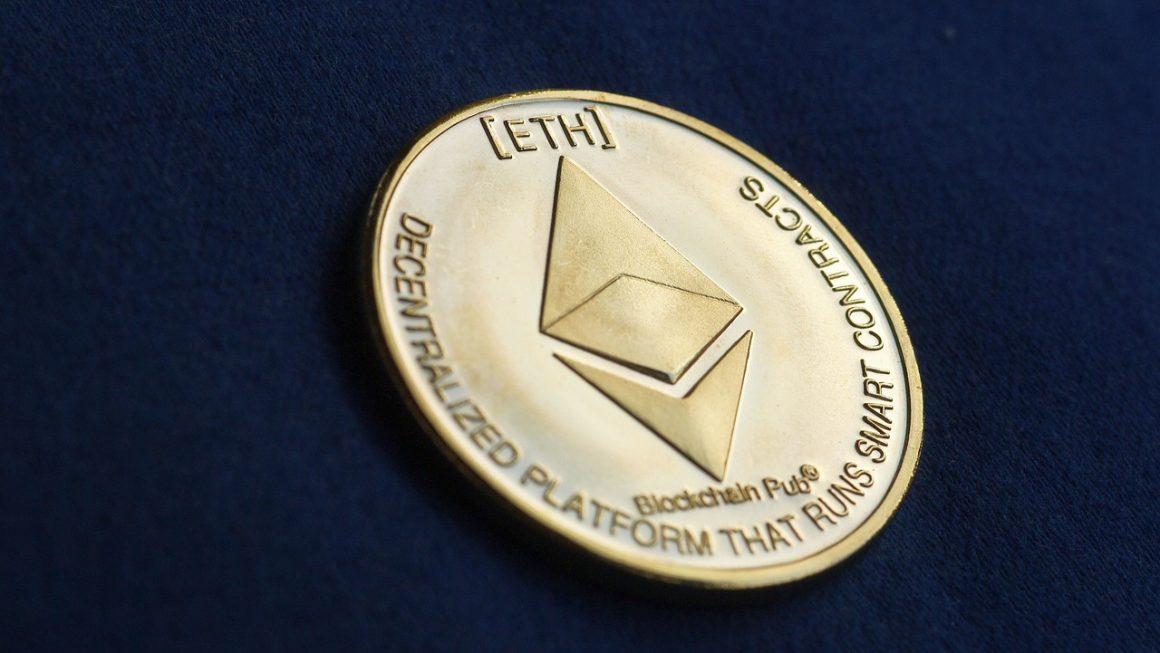
The digital landscape is undergoing a seismic shift, moving away from the centralized silos of the modern internet toward a decentralized future known as Web3. While Web1 gave us the “read-only” web and Web2 introduced the interactive, platform-dominated social era, Web3 represents the “read-write-own” evolution. Built on blockchain technology, this paradigm shift promises to return data sovereignty to users, strip away unnecessary intermediaries, and create a transparent, trustless ecosystem that is redefining how we interact, transact, and create online.
Understanding the Architecture of Web3
The Core Technologies
Web3 is not a single product but an ecosystem built on several foundational technologies. Unlike Web2, which relies on centralized servers owned by tech giants, Web3 utilizes distributed networks to manage information.
- Blockchain: The immutable ledger that records transactions and data, ensuring transparency.
- Smart Contracts: Self-executing code that automatically enforces agreements without the need for a middleman.
- Decentralized Identity (DID): A system allowing users to own their digital identity across platforms without relying on centralized login providers like Google or Facebook.
Key Differences Between Web2 and Web3
To understand the value of Web3, it is helpful to look at how it compares to the status quo:
- Control: Web2 is platform-centric; Web3 is user-centric.
- Monetization: Web2 platforms monetize user data; Web3 enables users to monetize their own contributions.
- Infrastructure: Web2 uses cloud servers; Web3 utilizes peer-to-peer decentralized networks.
The Practical Applications of Web3
Decentralized Finance (DeFi)
DeFi is perhaps the most mature application of Web3. It removes the need for traditional banks, brokers, and clearinghouses by utilizing automated protocols. Users can lend, borrow, and trade assets directly through smart contracts.
Practical Tip: Use decentralized exchanges (DEXs) like Uniswap to trade tokens without ever handing custody of your assets over to a centralized exchange.
Non-Fungible Tokens (NFTs) and Digital Ownership
NFTs have moved beyond digital art. They represent the ability to prove ownership of unique assets, including digital collectibles, game items, and even intellectual property rights. Web3 allows creators to embed royalties into NFTs, ensuring they get paid every time their work is resold on the secondary market.
The Benefits of a Decentralized Web
Enhanced Security and Transparency
Because Web3 data is distributed across thousands of nodes, it is significantly harder for hackers to compromise the network compared to a centralized server. Every transaction is recorded on a public ledger, providing a level of transparency that was previously impossible to achieve in corporate environments.
User Sovereignty and Data Privacy
In Web3, you are the owner of your digital footprint. Instead of “renting” space on social media platforms, you own your content and your social graph. If a platform tries to censor you or change its policies, you can theoretically take your data and move it to a different platform.
Challenges and Barriers to Adoption
Scalability and User Experience
Despite the hype, Web3 faces significant hurdles. Current blockchain networks can struggle with transaction speeds and high “gas fees” during peak congestion. Additionally, the user experience (UX) is often cumbersome; managing private keys and interacting with decentralized wallets is far more complex than logging into a traditional app.
Regulatory Landscape
Governments worldwide are still determining how to regulate decentralized networks. Navigating taxes, anti-money laundering (AML) compliance, and securities laws remains a complex task for developers and users alike.
Actionable Takeaway: Stay informed on your local jurisdiction’s crypto regulations to ensure you remain compliant when engaging with decentralized platforms.
The Future of the Creator Economy
Direct Monetization
Web3 empowers creators by removing the “middleman” tax. In the traditional Web2 model, a platform takes a significant cut of creator earnings. In Web3, creators interact directly with their fans via tokenized communities, which can act as a membership pass for exclusive content.
DAO Governance
Decentralized Autonomous Organizations (DAOs) represent a new way of organizing companies. Instead of a CEO and board of directors, decisions are made by a community of token holders. This creates a transparent, community-led approach to product development and organizational management.
Conclusion
Web3 is more than a buzzword; it is a fundamental shift toward a more equitable internet. While we are still in the early stages of development and facing clear obstacles regarding accessibility and scalability, the trajectory toward decentralization is undeniable. By leveraging blockchain technology, we are building a future where individuals hold the keys to their digital lives, finances, and creative output. Whether you are a developer looking to build the next big protocol or a user exploring decentralized finance, the best way to prepare for this shift is to engage with these technologies now and stay informed as the ecosystem matures.