
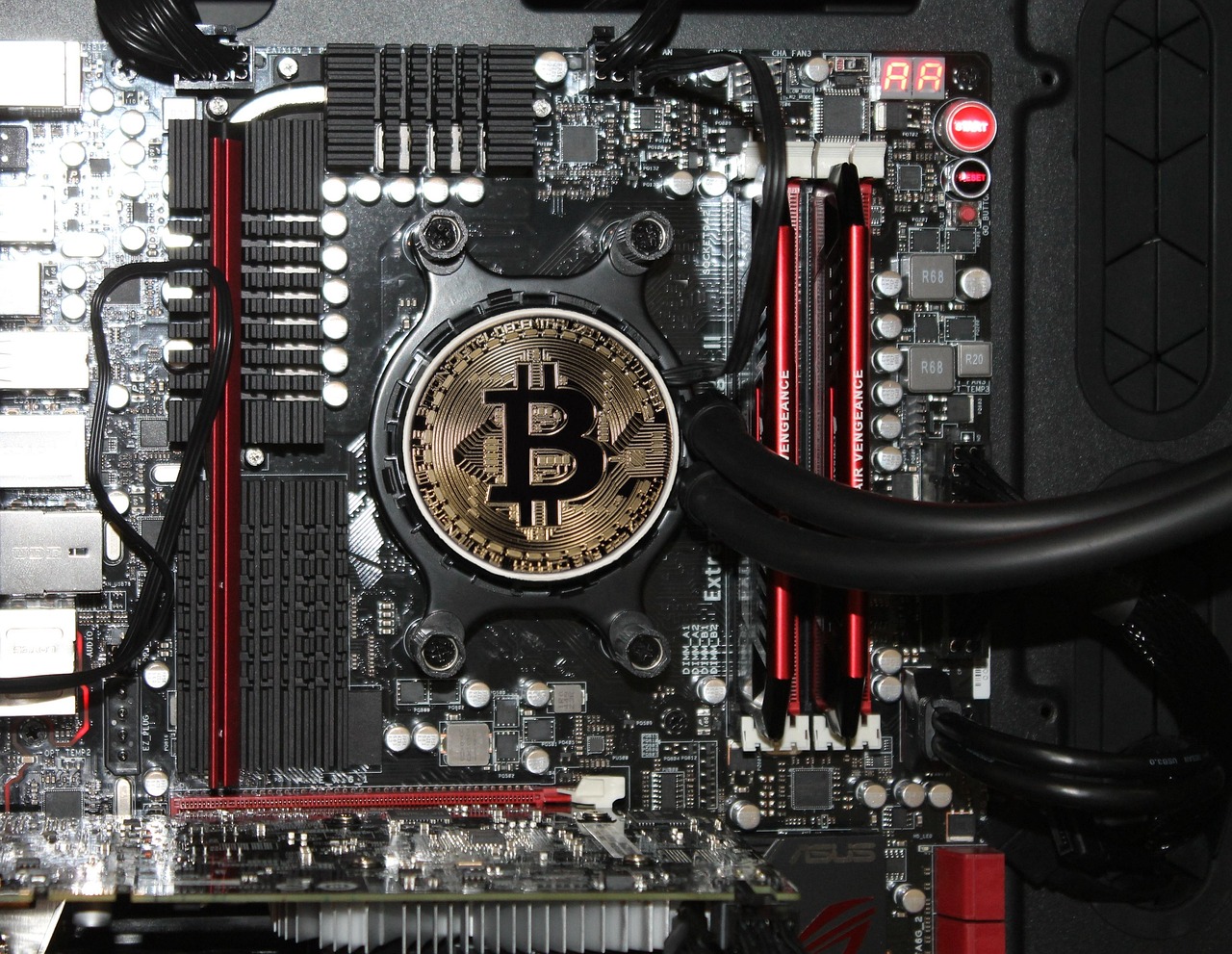
In the rapidly evolving landscape of decentralized finance (DeFi) and Web3, the term “airdrop” has become a buzzword that excites both veteran investors and newcomers alike. At its core, an airdrop is a strategic marketing tactic used by blockchain-based startups to distribute free tokens or coins directly to the digital wallets of active community members. While the prospect of receiving “free money” is undeniably alluring, understanding the mechanics, risks, and strategies behind airdrops is essential for anyone looking to navigate the crypto space safely and effectively.
Understanding Crypto Airdrops
What Exactly is an Airdrop?
An airdrop occurs when a blockchain project sends free tokens to users who meet specific criteria. This process is usually performed on a large scale, often targeting thousands of wallets simultaneously. The primary goal for project developers is to bootstrap their network, increase token distribution, and build a loyal user base before the project officially hits major exchanges.
The Different Types of Airdrops
- Standard Airdrops: Simple registration-based distribution where users provide their wallet address.
- Holder Airdrops: Tokens are sent to existing holders of a specific cryptocurrency (e.g., holding Ethereum to receive a new project’s governance token).
- Bounty/Task Airdrops: Users must perform specific actions, such as following social media accounts, joining Telegram groups, or writing blog posts about the project.
- Retroactive Airdrops: These are highly prized; they reward early users who interacted with a protocol (e.g., using a decentralized exchange or bridge) before the token was officially announced.
Why Projects Use Airdrops
Marketing and User Acquisition
In a saturated market, standing out is difficult. Airdrops serve as a low-cost, high-impact marketing tool. By rewarding early adopters, projects gain immediate visibility and community traction. A larger number of token holders often translates to higher trading volume once the token is listed on centralized exchanges.
Decentralization and Governance
For many Web3 protocols, the goal is to shift from a centralized team to a Decentralized Autonomous Organization (DAO). By distributing governance tokens via an airdrop, the project ensures that the decision-making power is spread across a wide group of users rather than concentrated in the hands of the founders.
How to Qualify for Future Airdrops
Active Participation in DeFi
The best way to qualify for a “retroactive” airdrop is to be a consistent user of emerging decentralized protocols. This includes:
- Providing liquidity to decentralized exchanges (DEXs).
- Staking assets within a protocol.
- Bridging assets between different blockchain networks.
- Participating in on-chain governance votes.
Staying Informed and Early
Timing is everything. Projects often drop tokens to those who were early to their testnets or mainnets. Follow reputable project developers on X (formerly Twitter) and join their official Discord servers to stay updated on upcoming requirements.
Risks and Security Best Practices
The Dangers of Airdrop Scams
Unfortunately, the promise of free tokens attracts malicious actors. Scammers often create “fake” airdrop websites that ask users to connect their wallets and sign transactions. These signatures can grant attackers permission to drain your entire portfolio.
Tips to Stay Safe
- Never share your private keys or seed phrase: No legitimate project will ever ask for this.
- Use a “Burner” Wallet: Create a separate wallet specifically for participating in airdrops that contains no significant funds.
- Verify official sources: Always check the official website or verified social media accounts of the project.
- Beware of “Dusting” attacks: If you see random tokens in your wallet that you don’t recognize, do not interact with them.
The Evolution of Airdrop Strategy
The Rise of “Airdrop Farming”
As the crypto ecosystem grows, many users have turned to “airdrop farming”—the practice of using multiple wallets to perform tasks in hopes of maximizing rewards. While this can be profitable, developers are increasingly using sophisticated “Sybil detection” algorithms to identify and disqualify users who abuse the system with bot-like behavior.
Measuring Success
According to recent industry analysis, the most successful airdrops typically result in high token retention. When projects reward long-term users rather than short-term speculators, the price stability of the token usually performs better over the first six months of launch.
Conclusion
Airdrops represent a unique bridge between project developers and their communities, offering a win-win scenario where early support is rewarded with ownership and governance rights. However, the landscape is fraught with both technical risks and the potential for scams. By focusing on genuine, active participation in high-quality projects rather than chasing every “get-rich-quick” scheme, you can safely explore the world of airdrops. Always prioritize security, conduct your own research (DYOR), and remember that the most valuable airdrops are earned through sustained engagement and patience.
