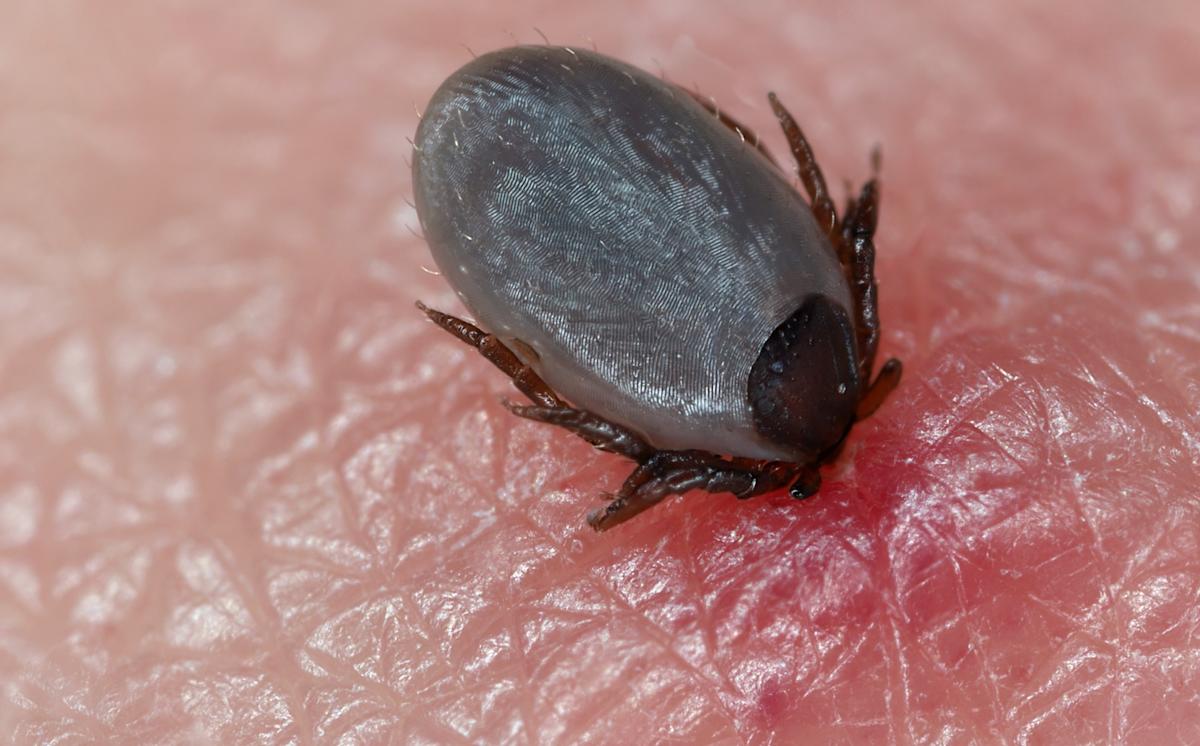
A serious health threat is spreading in Pennsylvania, and changing weather patterns may be a factor, the Pittsburgh Post-Gazette reports.
What happened?
In 2025, Anaplasmosis cases increased by more than 50% in Allegheny County. U.S. states such as Wisconsin and California have also seen spikes in tick-borne bacterial infections.
Anaplasmosis is often transmitted along with Lyme disease through tick bites. Initial symptoms of infection include fever, fatigue and nausea. If left untreated, there may be long-term consequences.
Why is anaplasmosis a concern?
“I really can’t put as much energy into it as I used to,” Janine Hauck told the Pittsburgh Post-Gazette in late December. Hauck contracted anaplasmosis in 2019 and has suffered from chronic fatigue ever since, affecting her ability to hike, bike, swim and engage in the outdoor activities she enjoys. “It changed my life.”
A major reason for the increase in anaplasmosis infections is the expansion of the populations and habitats of disease-carrying ticks. Warm, wet weather patterns (exacerbated in part by atmospheric pollution) provide prime conditions for ticks to thrive.
This phenomenon exacerbates the spread of other vector-borne diseases, including dengue virus and West Nile virus.
What measures are being taken against anaplasmosis?
If caught early, anaplasmosis can be treated with antibiotics. Therefore, officials recommend checking regularly for tick bites after spending time outdoors. Seeking medical attention as soon as possible after a tick bite can help with recovery.
First, you can prevent tick bites by wearing long enough clothing and using effective repellent. Hauck told The Post it’s worth taking precautions.
“People don’t realize how seriously a tick bite can affect your life,” she told the newspaper. “I probably spent over $60,000 trying to get better. I’m lucky I have [the money]but not everyone does. “
Looking at the bigger picture, addressing the root of the problem may also require minimizing emissions to mitigate increasingly warm, humid weather and shrink tick habitat and activity.
|
Are you worried about having permanently toxic chemicals in your home? Mainly sometimes not really I don’t know them well enough Click on your selection to see the results and speak your mind. |
Get TCD’s free newsletter for simple tips to save more, reduce waste and make smarter choices, and earn up to $5,000 toward clean upgrades in TCD’s exclusive Rewards Club.