Valerie Volkovich
WASHINGTON, Dec 8 (Reuters) – The Trump administration’s proposal to roll back Biden-era vehicle fuel efficiency standards could save U.S. automakers tens of billions of dollars and potentially lower upfront purchase costs for U.S. car buyers.
But industry experts analyzing the government’s proposals, as well as the government’s own forecasts, say any savings at dealerships will quickly disappear as drivers are forced to pay more cash at the nation’s fuel pumps.
The National Highway Traffic Safety Administration and the Environmental Protection Agency on Wednesday proposed lowering fuel economy requirements for vehicles to an average of 34.5 miles per gallon by 2031, down from the 50.4 miles per gallon (21.4 kilometers per liter) set by former President Joe Biden.
Automakers save billions
According to NHTSA’s economic analysis supporting the proposal, automakers would save $35 billion by 2031 and average upfront vehicle costs would drop by about $930, assuming they pass the savings on to automakers.
But the same NHTSA economic analysis also said the proposal would increase fuel consumption by about 100 billion gallons by 2050 relative to Biden’s standards, costing Americans as much as $185 billion.
“The Department of Transportation is now estimating that the upfront savings will be greater in terms of technology costs, but they are also estimating that there will be greater losses in fuel savings,” said Jason Schwartz, legal director of the Institute for Policy Integrity at New York University.
“As for how quickly any upfront savings disappear when you spend more money at the pump, it’s very fast indeed,” he said.
Car buyers with long-term financing may not feel the short-term benefits because the purchase savings will be spread over time through higher fuel bills.
“From the first day behind the wheel, consumers will spend more money operating a less efficient car: more money for gas, more repairs, more time wasted at the pump,” he said.
White House defends rollback
The Trump administration has touted the fuel economy rollback proposal as a boost to the auto industry and a benefit to consumers by potentially allowing a comeback of less efficient vehicles like station wagons, which were a staple of family travel in the 1970s and 1980s.
It criticized Biden’s standards as mandating more and more expensive electric vehicles, which U.S. automakers have struggled to produce profitably at scale.
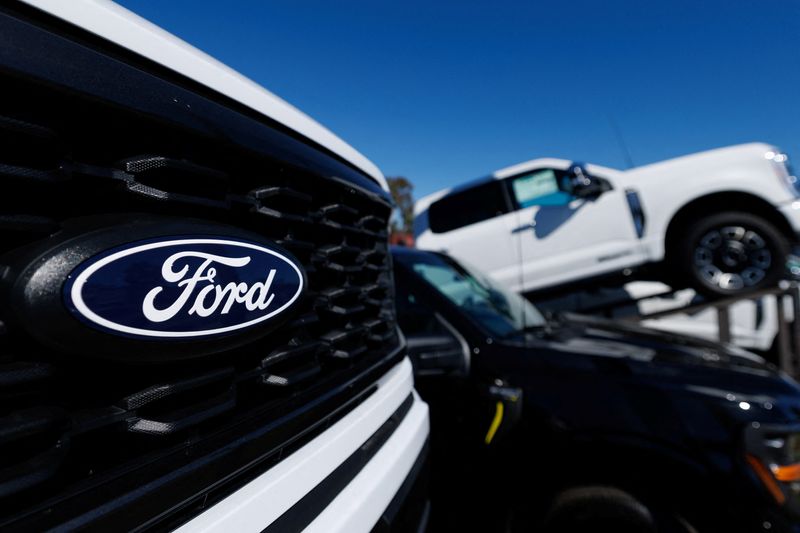
Some of the biggest beneficiaries of the proposal include U.S. automakers Ford and General Motors, as well as Europe-based Stellantis, which makes vehicles under the Chrysler, Dodge and Ram brands in the U.S., according to an analysis by the National Highway Traffic Safety Administration.