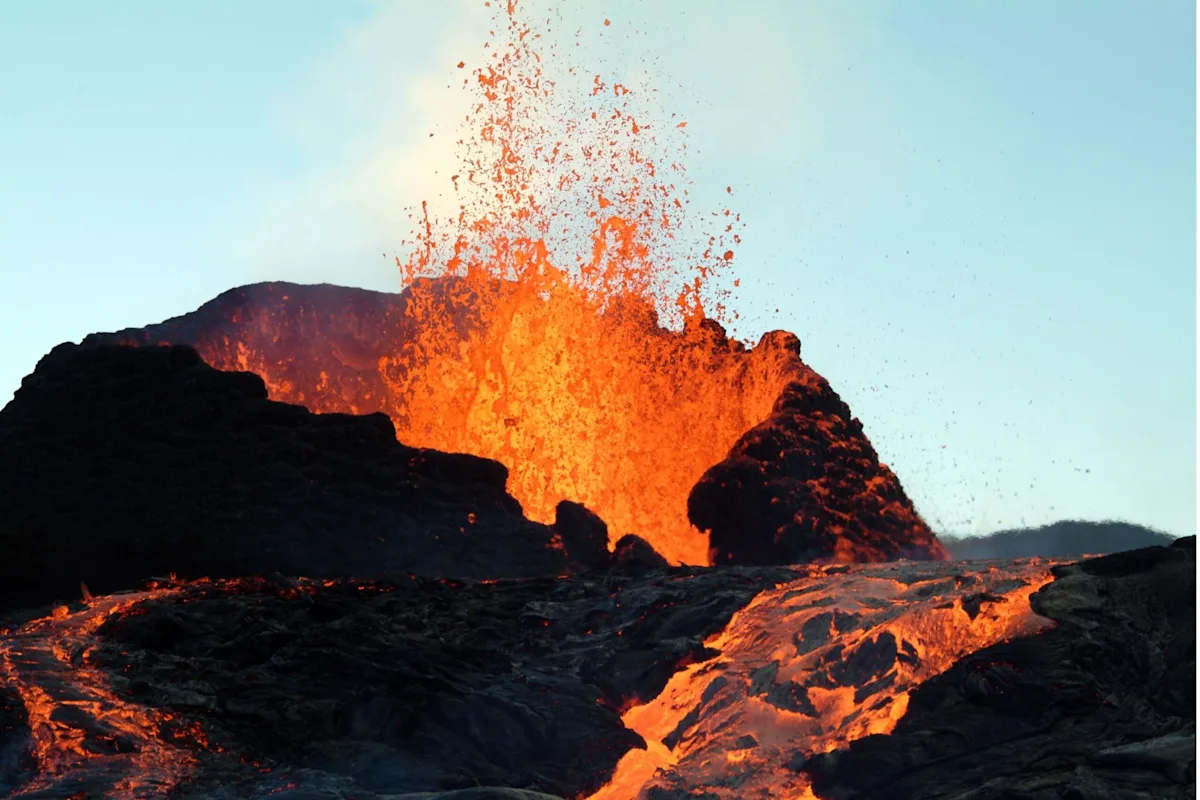
The Pacific Northwest has always carried an air of quiet menace — a region where breathtaking beauty overlaps with a geological time bomb ticking beneath the soil. For decades, scientists have warned that this postcard-perfect landscape sits atop one of the most volatile volcanic systems in the world. Now, new research and simmering seismic activity suggest the threat is far more immediate — and far more catastrophic — than most Americans realize.
While locals joke about “the Big One,” volcanologists aren’t laughing. They’re tracking rising magma, mysterious ground swelling, ancient eruption patterns, and a supervolcano whose last major explosion altered the global climate. The unsettling truth? A single eruption could erase entire cities, disrupt global food chains, and plunge the world into a volcanic winter.
Here’s why experts believe a major volcanic event could one day obliterate the Pacific Northwest — and why the rest of the country should be paying very close attention.
1. They Blame the “Cascadia Subduction Zone”

Shutterstock
You might not be familiar with it, but the Cascadia Subduction Zone is a geological feature that should definitely be on your radar. This massive fault line stretches from Northern California to British Columbia and is capable of producing megathrust earthquakes and significant volcanic activity. A study published in the journal Science highlights that the geological pressures building up in this zone could eventually trigger a major volcanic event. So, while it might seem like just another scientific concern, the reality is that this subduction zone has the potential to cause a chain reaction of natural disasters.
Why does this matter to you? Well, if you’re living in or planning to visit the Pacific Northwest, it’s crucial to be aware of the geological dynamics at play. Knowing the risks can help you prepare and make informed decisions about earthquake and volcanic readiness. Plus, understanding the science behind these phenomena can make the concept less abstract and more a part of your everyday considerations. It’s all about staying informed and prepared for what nature might throw your way.
2. They’re Analyzing Historical Eruptions and Patterns

Shutterstock
History has a way of repeating itself, especially when it comes to natural events like volcanic eruptions. Mount St. Helens’ 1980 eruption might be etched into public memory, but it’s just a part of a long history of volcanic activity in the region. Geological records indicate that the Pacific Northwest has been a hotspot for eruptions over millennia, each leaving a mark on the landscape and human history. By studying these past events, scientists can identify patterns and predict future activity with more accuracy.
This isn’t just a theoretical exercise; it’s about learning from the past to protect the future. For people living in the area, this means understanding the very real possibility that another eruption could occur. It underscores the importance of having evacuation plans, emergency supplies, and community resources in place. After all, being prepared is about more than just peace of mind—it’s a practical step towards ensuring your safety.
3. They’re Using Volcano Monitoring and Technology
You might think that technology would give us the upper hand against volcanic threats, and you’d be right—to an extent. Advances in

Shutterstock
monitoring and satellite technology have dramatically improved our ability to detect early signs of volcanic activity. For instance, the US Geological Survey (USGS) regularly updates its Volcano Hazards Program to provide real-time monitoring and alerts. This means that scientists are more equipped than ever to provide early warnings, potentially saving lives and minimizing damage.
However, technology isn’t a silver bullet. While it can offer crucial lead time, there’s still an element of unpredictability in how a volcano might behave. For residents in the Pacific Northwest, this means remaining vigilant and responsive to official alerts and updates. Understanding that technology is a tool—not a guarantee—can help you remain proactive and prepared.
4. They’ve Considered Population Growth and Urban Development

iStock
As cities expand and populations grow in the Pacific Northwest, the stakes of a volcanic eruption increase significantly. More people mean more infrastructure—homes, roads, and schools—that could potentially be affected by volcanic activity. Urban areas like Seattle and Portland are particularly vulnerable given their proximity to active volcanoes. The combination of dense populations and natural hazards is a recipe for complex emergency management challenges.
For you, this means that living in or near these urban centers requires a heightened awareness of both natural and man-made risks. While urban living offers convenience and opportunity, it also demands that you stay informed about local emergency plans and resources. The responsibility is twofold: enjoying the benefits of urban life while being mindful of the geological realities. After all, being aware is the first step towards being prepared.
5. They Say the Economic Impact Will Be Devastating

Shutterstock
When you think of a volcanic eruption, economic implications might not be the first thing that comes to mind. But the financial consequences of such an event could be staggering. According to a report by the Federal Emergency Management Agency (FEMA), a major eruption in the Pacific Northwest could result in billions of dollars in damages. From disrupted trade routes to destroyed infrastructure, the economic ripple effects would be felt far beyond the initial blast zone.
This isn’t just a concern for government officials or business owners—it’s something that could impact you directly. Think about rising insurance premiums, increased cost of goods, and potential job disruptions. Understanding the economic stakes can help you make more informed financial decisions and encourage you to support policies that prioritize disaster readiness. In a way, being economically aware is just another form of preparedness.
6. They Also Blame Environmental Consequences

Shutterstock
Volcanic eruptions don’t just alter landscapes—they can also have profound environmental impacts. The release of ash and gases can lead to short-term climate changes, affecting everything from air quality to agricultural productivity. For the Pacific Northwest, which is rich in natural beauty and biodiversity, a major eruption could pose significant threats to ecosystems. Understanding these potential consequences can help you appreciate the delicate balance between human activity and the natural world.
This isn’t just about preserving beauty; it’s about maintaining the health and sustainability of the environment you depend on. For people who live in the region, it means being mindful of how human actions can exacerbate natural risks. It’s a call to action to support environmental initiatives and policies that aim to protect and sustain the area’s natural resources. After all, the environment is not just a backdrop to your life—it’s an integral part of it.
7. They’re Advocating for Community Preparedness and Education

iStock
While scientists and government agencies play a crucial role in disaster preparedness, community-level efforts are just as important. Programs focusing on public education and community drills are vital tools for ensuring that people know what to do in the event of a volcanic eruption. According to the National Academies of Sciences, investing in community preparedness can significantly mitigate the impact of natural disasters. This means that you, too, have a role to play in making sure your community is ready.
Community preparedness isn’t just about attending meetings or drills—it’s about fostering a culture of readiness and resilience. It involves knowing your neighbors, understanding local resources, and having a clear plan for how to respond to emergencies. By participating in community efforts, you help create a network of support that can make all the difference when disaster strikes. After all, when it comes to facing natural threats, there’s strength in numbers.
8. They’re Looking at Early Warning Systems

Shutterstock
Imagine receiving an alert on your phone that a volcanic eruption is imminent. That’s the power of early warning systems, designed to give people crucial lead time to evacuate and take protective measures. These systems utilize a combination of seismic data, satellite imagery, and other technological tools to provide timely alerts. For the Pacific Northwest, where the risk of an eruption is ever-present, these warning systems are a vital part of disaster management.
But early warnings are only as effective as the response they trigger. This means that you need to be ready to act quickly and decisively when an alert is issued. Familiarize yourself with the warning signs of volcanic activity and make sure you know the evacuation routes in your area. In doing so, you can turn a few moments’ notice into a potentially life-saving opportunity.
9. They Are Hopeful About Geological Research and Innovations

Shutterstock
The field of geology is continually evolving, and that’s good news for anyone concerned about volcanic hazards. Ongoing research and technological innovations are providing new insights into the behavior of volcanoes. From advanced computer models to drone technology, scientists are developing tools that can help predict eruptions with greater accuracy. For the Pacific Northwest, this means a more robust understanding of the region’s volcanic threats.
Staying informed about these scientific advancements can be both reassuring and empowering. It’s an invitation to engage with the science that’s shaping your world and to advocate for continued research and funding. Understanding the complexities of volcanic activity can transform fear into informed awareness. After all, knowledge is the best defense against the unknown.
10. They Fear Changing Weather Patterns

Shutterstock
Climate change is altering weather patterns and environmental conditions worldwide, and its impact on volcanic activity is a growing area of study. Some researchers suggest that melting glaciers and shifting precipitation patterns could influence volcanic behavior. While the science is still evolving, it’s clear that climate change adds an extra layer of complexity to the already intricate dynamics of volcanism. For the Pacific Northwest, understanding these interactions is crucial for comprehensive disaster planning.
For you, this underscores the interconnectedness of environmental issues. It’s a reminder that addressing climate change is not just about reducing carbon footprints—it’s about understanding and mitigating its broader impacts. By supporting climate action, you’re contributing to a more stable and predictable natural environment. In a world of constant change, that kind of stability is invaluable.
11. They’re Concerned About Emergency Response Infrastructure

iStock
In the event of a volcanic eruption, the effectiveness of emergency response infrastructure can be the difference between chaos and order. Robust communication systems, efficient transportation networks, and well-trained emergency personnel are all critical components. In the Pacific Northwest, efforts to strengthen this infrastructure are ongoing, but challenges remain. Understanding these efforts can help you appreciate the complexities of disaster management and the importance of supporting local initiatives.
For residents, this means being proactive in understanding the capabilities and limitations of local emergency services. Familiarize yourself with the resources available and how to access them in a crisis. By staying informed and engaged, you not only protect yourself but also contribute to a more resilient community. After all, successful emergency response is a collective effort.
12. They Say the Cultural and Social Impact Will Be Reshaped

Shutterstock
Volcanic eruptions don’t just reshape landscapes—they also impact the cultural and social fabric of affected areas. The Pacific Northwest, with its rich indigenous history and diverse communities, faces unique challenges and opportunities in this regard. Disasters can strain social bonds but also foster resilience and solidarity. Understanding the social dynamics at play can help you appreciate the human dimension of volcanic threats.
For you, this means recognizing the importance of community cohesion and cultural sensitivity in disaster preparedness. It’s about valuing the diverse perspectives and knowledge systems that can contribute to effective response and recovery efforts. By engaging with your community and honoring its cultural heritage, you help build a more inclusive and resilient society. In the face of natural threats, it’s this sense of community that often proves most enduring.
13. They Need Everyone to Be Prepared and Feel Responsible

iStock
Ultimately, the responsibility for preparedness doesn’t just lie with scientists, government agencies, or community leaders—it’s a personal obligation as well. Having an emergency plan, maintaining a supply kit, and staying informed are crucial steps you can take. In the Pacific Northwest, where the risk of a volcanic eruption is ever-present, personal preparedness is not just advisable—it’s essential. By taking these steps, you not only protect yourself but also contribute to the safety and resilience of your community.
This isn’t about living in fear—it’s about living with awareness and intention. It’s about being proactive and empowered, understanding that preparedness is an ongoing process. In doing so, you not only mitigate the risks but also enhance your sense of control and peace of mind. After all, being prepared is not just about survival—it’s about thriving in the face of uncertainty.