


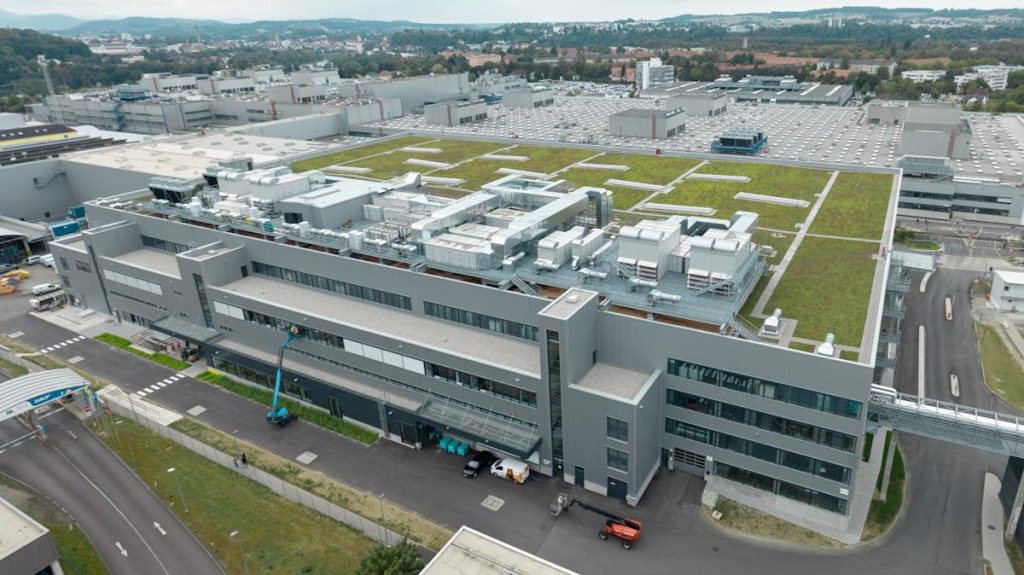
Along with Honda and Suzuki, BMW is one of the few companies that has managed to earn a coveted spot in the minds of people interested in both cars and motorcycles. The BMW Group operates 32 manufacturing plants worldwide, 26 of which focus on automobiles and the remaining six on BMW motorcycles. Narrow this list down to factories that make or assemble engines for BMW vehicles, and it gets even shorter. As of 2026, a total of five plants produce internal combustion engines for BMW vehicles. Among them, two factories are located in Europe, one is the Steyr factory in Austria, and the other is the Hams Hall factory in the UK.
The other three plants are located in Asia, including the Shenyang plant in China, the Kulim plant in Malaysia and the Force Motors plant in India. Note that engine assembly plants in Malaysia and India are third-party contract manufacturers set up in partnership with local companies: Sime Darby Auto Engineering in Malaysia and Force Motors in India.
BMW’s plant in Munich also used to produce engines, but is currently being transformed into an electric vehicle-focused plant focused on producing vehicles based on the Neue Klasse X concept such as the BMW iX3. Given that BMW assembles its cars at dozens of locations around the world, every combustion engine BMW relies on an engine produced in one of these specialized plants. Once manufactured, the engines are shipped to final assembly sites around the world.
Read more: 5 Tips You Need to Know Before Buying a Used JDM Engine
History of the BMW engine factory


Workers at BMW’s Shenyang factory are assembling engines – BMW
BMW’s foray into automotive engines began in 1919, when it built the horizontally opposed twin-cylinder M2B15 engine for the Victoria Motorcycle. In 1923, the company launched the R 32 motorcycle, the first BMW motorcycle to use a BMW engine. In 1928, BMW began producing cars by producing a rebadged version of the British car Austin Seven. In 1932, BMW introduced an updated version of the same car with a redesigned and improved engine. The BMW 3/20 PA AM1 made its debut that year and is widely regarded as the first BMW car to feature a BMW-made engine. They are assembled at BMW’s Eisenach plant. After World War II, BMW lost control of the Eisenach factory and was forced to stop producing cars until the early 1950s.
In 1952, BMW launched the BMW 501, and the era of modern automobile and engine manufacturing began again. This also marked the beginning of automobile and engine manufacturing at the Munich plant. In 1979, BMW opened a new factory in the Austrian town of Steyr to produce engines. It remains the company’s largest engine plant. BMW’s second engine plant is located in the UK and began operations in 2001. It is the assembly site for BMW MINI brand car engines.
The Shenyang plant is BMW’s only owned and operated engine assembly plant in Asia. It opened in 2004 and has undergone multiple expansions since then. It is now the largest BMW manufacturing plant in the world. In fact, one-third of BMW cars sold today can trace their origins back to the Shenyang factory.
BMW’s engine contract manufacturing plant

Aerial view of BMW India plant in Chennai – BMW
BMW has changed the way it operates its wholly-owned manufacturing plants as it enters the cost-sensitive Asian market. An example of this arrangement is in India, where BMW made its official debut in 2006. From 2006 to 2015, BMW’s manufacturing plant in Chennai, India, only assembled complete knock-down (CKD) kits into cars. BMW formed an alliance with an Indian company called Force Motors after changes in India’s tariff rules. This prompted BMW to open its first engine manufacturing plant operated by a third-party manufacturer in 2015. The Force Motors plant will continue to produce engines for BMW vehicles sold in India until 2026. Notably, BMW Motorrad has adopted a similar strategy for its low-cost motorcycles, with some entry-level models having engines manufactured in India by motorcycle company TVS.
Another country where BMW has adopted a similar strategy is Malaysia, where it has formed alliances with several local companies. BMW officially started operations in Malaysia in 2003 and has been working with Sime Darby Automotive Engineering (SDAE) since 2007 to establish a manufacturing plant to assemble BMW vehicles for the Malaysian and wider Southeast Asian markets. This partnership was further cemented in 2018 when the same factory began assembling engines.
Today, the plant continues to supply engines for BMW vehicles sold locally. Two engine manufacturing plants in Malaysia and India are the only plants focused on automotive engines that are not under BMW’s direct operational control. This is why these facilities are not listed on BMW’s website detailing all of its production facilities.
Want to stay up to date on the latest tech and automotive trends? Sign up for our free newsletter to get the latest headlines, expert guidance and how-to tips, one email at a time. You can also add us as your preferred search source on Google.
Read the original article on SlashGear.