There are growing concerns about the impact of road-contaminated water not only on the environment but also on people.
What happened?
In a study published in the journal Environmental Science and Technology Letters, researchers at the Guangdong Provincial Key Laboratory of Environmental Pollution and Health took a closer look at the tiny particles shed by car tires and the toxic chemicals they may release over time.
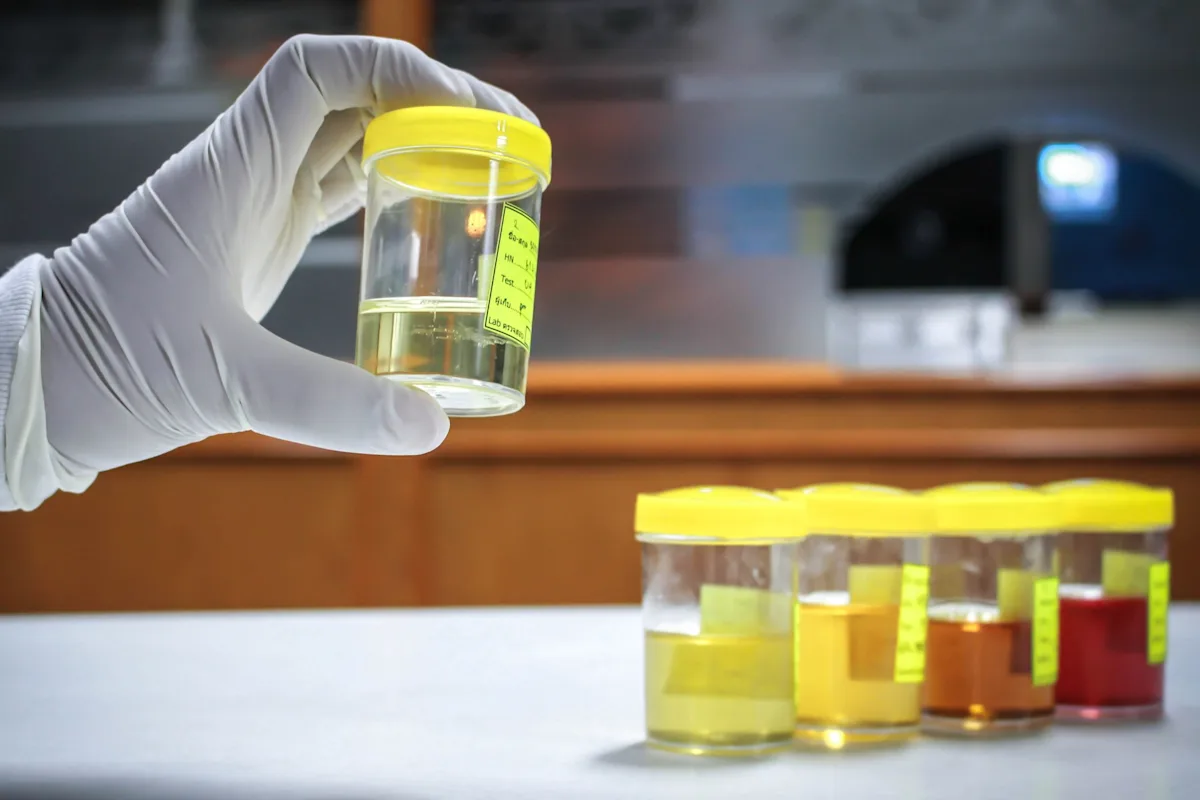
During the study, 150 urine samples were collected from three different populations in South China. Participants included adults, children and pregnant women.
The team found that the chemical 6PPD and its toxic byproduct 6PPD-quinone were common contaminants in the urine of those tested. In fact, these chemicals were detected in 60-100% of the samples.
Why is the discovery of tire chemicals in urine important?
While the researchers acknowledge that 6PPD and 6PPD-quinone are ubiquitous in the environment, they note that there is a lack of research to determine whether these harmful chemicals are entering the human body. Because these chemicals are known to be highly toxic to aquatic animals, there are concerns that humans may face similar dangers.
According to NOAA Fisheries, scientists have developed a method to detect 6PPD-quinone in fish, shellfish and other marine mammals. They hope the tool will allow them to track the movement and accumulation of chemicals through the food web. This could lead to a better understanding of its risks to ecosystems and better stormwater management systems.
What measures are being taken against toxic tire chemicals?
In a study published in Environmental Research, scientists pointed to tire particles as a major cause of microplastic pollution. These tiny particles derived from fossil fuels have been linked to a number of serious health problems, including an increased risk of cardiovascular disease, cancer and neurological disorders.
Henry Obanya, a researcher at the University of Portsmouth and lead author of the study, detailed the team’s findings in an article in The Conversation, pushing for the reclassification of harmful chemicals such as 6PPD and 6PPD-quinone.
“We urgently need to classify tire particles as a unique category of pollution,” Obania wrote, noting that because of the variety of chemicals used in making tires, we may not know the true effects of pollution on our bodies until more research is done.
“Tire pellets are often made from a complex mixture of synthetic and natural rubber, as well as hundreds of chemical additives,” Obania added. “This means the consequences of tire pollution can be unintended and far-reaching.”
Get TCD’s free newsletter for simple tips to save more, reduce waste and make smarter choices, and earn up to $5,000 toward clean upgrades in TCD’s exclusive Rewards Club.