


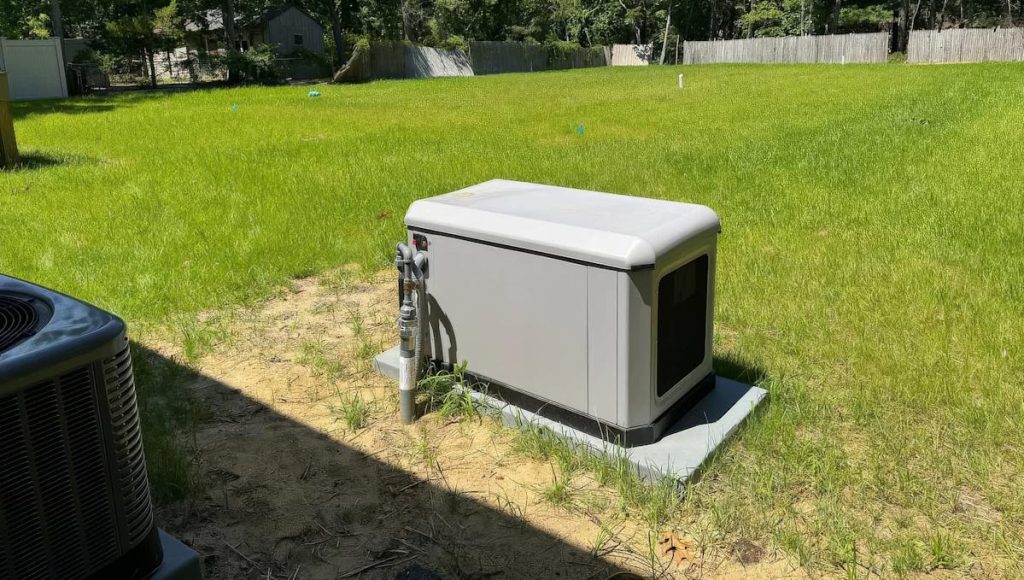
The tragic deaths of two people in South Carolina have prompted officials to issue warnings about the dangers of using generators indoors.
What happened?
In December, two people died from carbon monoxide poisoning in Anderson County, North Carolina, after using generators to heat their homes, the Greenville News reported. In response to the incident, County Coroner Greg Shore issued a reminder that it is never safe to use generators indoors due to the toxic fumes they release into the air.
“Using methods other than central heating to stay warm, such as gas logs, or using a generator to power your home, can emit carbon monoxide,” the Greenville News said. “This invisible, odorless gas can be deadly.”
Why should we care about carbon monoxide?
Because carbon monoxide has no color, taste, or smell, it’s difficult to detect, which is why it’s so deadly. The Centers for Disease Control and Prevention estimates that more than 400 Americans die each year from accidental carbon monoxide poisoning that is not related to fires. The agency added that each year more than 100,000 people visit emergency rooms and more than 14,000 are hospitalized due to exposure to carbon monoxide.
Generators aren’t the only appliances that can release carbon monoxide into your home—any appliance that burns fuel, including furnaces, water heaters, stoves, and fireplaces, is a potential culprit. Still, portable generators are of particular concern, with federal data showing that at least 770 people in the United States died from carbon monoxide poisoning while using portable generators between 2011 and 2021.
What are we doing about carbon monoxide poisoning?
The CDC recommends that people install battery-powered or battery-backup carbon monoxide detectors in every sleeping area of their home. The agency also urges people to have gas, oil and coal-fired appliances serviced annually by a qualified technician and to make sure the appliances are properly ventilated.
If you experience symptoms of carbon monoxide poisoning—headache, dizziness, weakness, upset stomach, vomiting, chest pain, and confusion—it’s important to get out immediately.
Another way to help reduce the risk of carbon monoxide poisoning is to use solar power and battery backup to power your home. Solar is a safer option for homes, and a battery setup can ensure you have enough power during an outage while avoiding the potentially deadly consequences of using a generator — and a new federal report finds that even outdoor generators can pose safety concerns.
|
Do you have a backup power system in your home? not at all I have a generator I have a portable battery I use something else Click on your selection to see the results and speak your mind. |
Get TCD’s free newsletter for simple tips to save more, reduce waste and make smarter choices, and earn up to $5,000 toward clean upgrades in TCD’s exclusive Rewards Club.