


Authors: Ricardo Arduungo and Arasi Somaseka
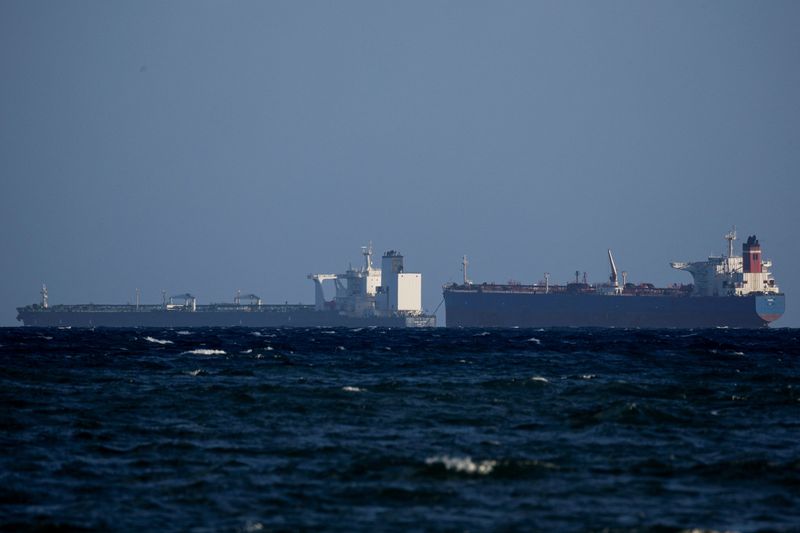
POnce, Puerto Rico/HOUSTON, Jan 21 (Reuters) – Two oil tankers seized by the United States this month in an operation against Venezuela were near Puerto Rico on Wednesday, the first sightings since the seizure and a possible hint at their destinations, Reuters witnesses and Tankertrackers.com data said.
The vessels are the supertanker M Sophia, which was seized by the United States on January 7 and carrying Venezuelan oil; and the smaller tanker Galileo, formerly known as Veronica, which was empty last week, although it had also previously carried Venezuelan oil.
The M Sophia and the Galileo are among seven vessels linked to Venezuelan oil exports seized by the U.S. military and Coast Guard in recent weeks, mostly in the Caribbean.
U.S. officials have not revealed the destination or plans of the seized ship. The U.S. Coast Guard declined to comment and referred the investigation to the White House. The White House did not immediately respond to a request for comment.
The locations of M Sophia and Galileo were not known until Tankertrackers.com and eyewitness confirmation on Wednesday, as the ships’ geolocation beacons had not yet been turned on.
The ships may remain in Puerto Rico or be transferred to another U.S. port. Five other captured tankers were located off the U.S. Gulf Coast, in Venezuelan waters and off Scotland, shipping data showed.
US President Donald Trump said the US intervention – including the capture of President Nicolas Maduro on January 3 – was aimed at stopping drug trafficking.
Washington intends to guide Venezuela’s government in rebuilding the country’s damaged oil industry by involving major U.S. oil companies.
Venezuelan oil exports came to a near standstill in December after Trump imposed a blockade preventing sanctioned tankers from transporting Venezuelan oil. Shipments increased in January under U.S. regulations, but millions of barrels of oil remain in onshore and floating storage facilities.
Sources told Reuters last week that the U.S. government has applied to the courts to seize dozens of oil tankers linked to the Venezuelan oil trade. This week, the vessel Sagitta was intercepted.
Experts say that, like most tankers subject to Western sanctions or part of the so-called shadow fleet, many Venezuela-linked tankers were built more than 20 years ago and pose a danger to shipping due to a lack of safety certification and adequate insurance.
Shipping and insurance industry sources said this means it would be very difficult or even impossible to establish an insurance claim or liability in the event of a collision or oil spill.
Sources said the tankers were older than the industry standard of 15 years, also raising concerns about potential environmental damage.
U.S. government civil forfeiture claims related to ship seizures can take months or years to resolve, meaning these challenges may not be resolved immediately.
“These ‘Dark Fleet’ tankers can be very unsafe. They are old, their crews are working in unsafe conditions, they lack proper classification surveys and they often have false insurance or no insurance at all,” said David Tannenbaum, director at consultancy Blackstone Compliance Services.
(Reporting by Ricardo Arduengo in Ponce and Arathy Somasekhar in Houston; Additional reporting by Marianna Parraga and Jonathan Saul; Editing by Cynthia Osterman)