Colombia’s largest oil company has been polluting local waterways, and related “gasoline gang” violence has made life more difficult for locals, the Guardian reported.
What happened?
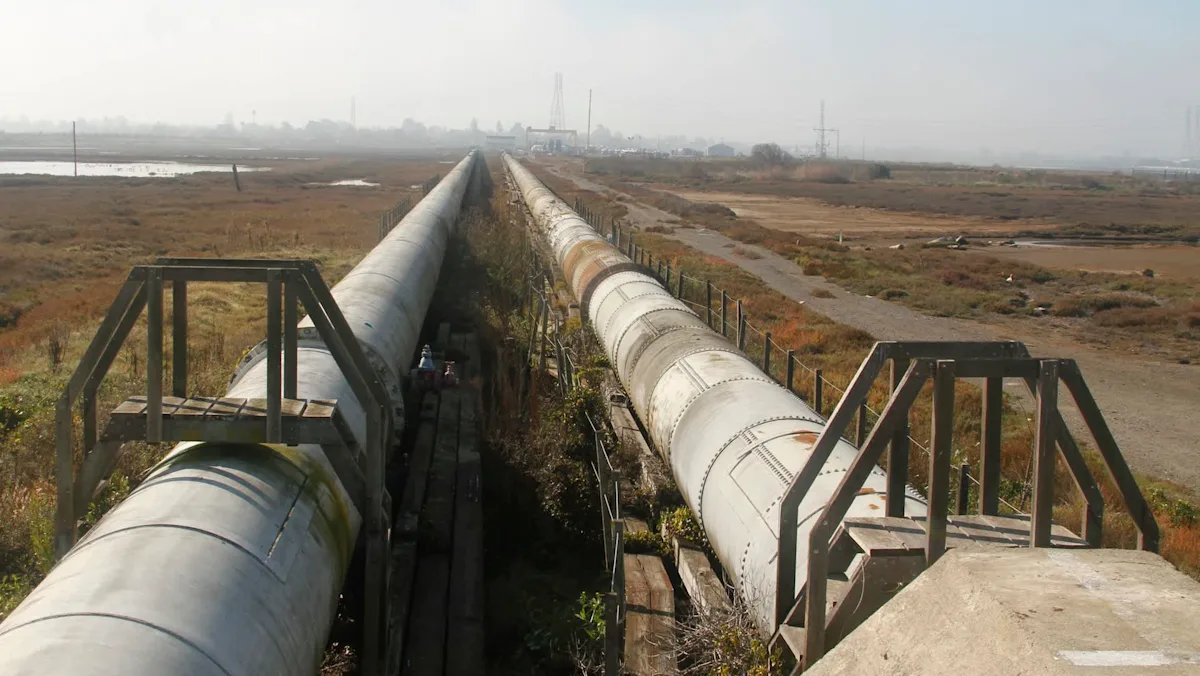
In October, a pipeline leak flooded the St. Sylvester Wetlands with oil. The pipeline’s owner, state-owned industrial giant Ecopetrol, has denied wrongdoing.
Local wildlife suffered huge losses, including the death of fish and buffalo, which locals relied on for sustenance.
“Hundreds of fish, snakes, birds, turtles and caimans died again overnight,” said Luis Carlos Lambraño, a long-time local fisherman, according to the Guardian. “If we can’t fish, we can’t eat… I feel very sad.”
Pirate gangs use pipelines to steal gasoline and sell it on the black market, exacerbating the problem. These gangs resort to violence to protect their watery territories.
“You don’t mess with the armed groups. If you don’t listen, they will kill you,” Yuly Velásquez, president of a local group called Sustainable Fisheries, said, according to The Guardian.
Why is this important?
Oil spills have tragic consequences for entire ecosystems. This consequence has been experienced time and time again, including in Alaska, Louisiana and Illinois. Even if oil is distributed responsibly without leaks, its production emits large amounts of methane, and once refined into gasoline and burned for energy, the end product causes even more atmospheric pollution.
This pollution traps heat in the atmosphere, exacerbating damaging weather events such as floods, droughts and heat waves. These impact ecosystems around the world, not to mention the cost to humans. Facing these disasters comes at a huge cost to farmers and homeowners alike.
What is being done about the oil spill?
A leaked Ecopetrol document dubbed the “Iguana Papers” reveals the company’s efforts to conceal the extent of its environmental negligence. The information led activists to call on the U.S. Securities and Exchange Commission to investigate Ecopetrol for failing to disclose key information to U.S. shareholders.
While holding businesses accountable requires a concerted effort from governments and citizens, it is possible for individuals to reduce their use of oil in their daily lives. This removes the incentive to support such harmful production systems. For this reason, switching to an electric car is a great option that can save you money on your monthly expenses.
Get TCD’s free newsletter for simple tips to save more, reduce waste and make smarter choices, and earn up to $5,000 toward clean upgrades in TCD’s exclusive Rewards Club.