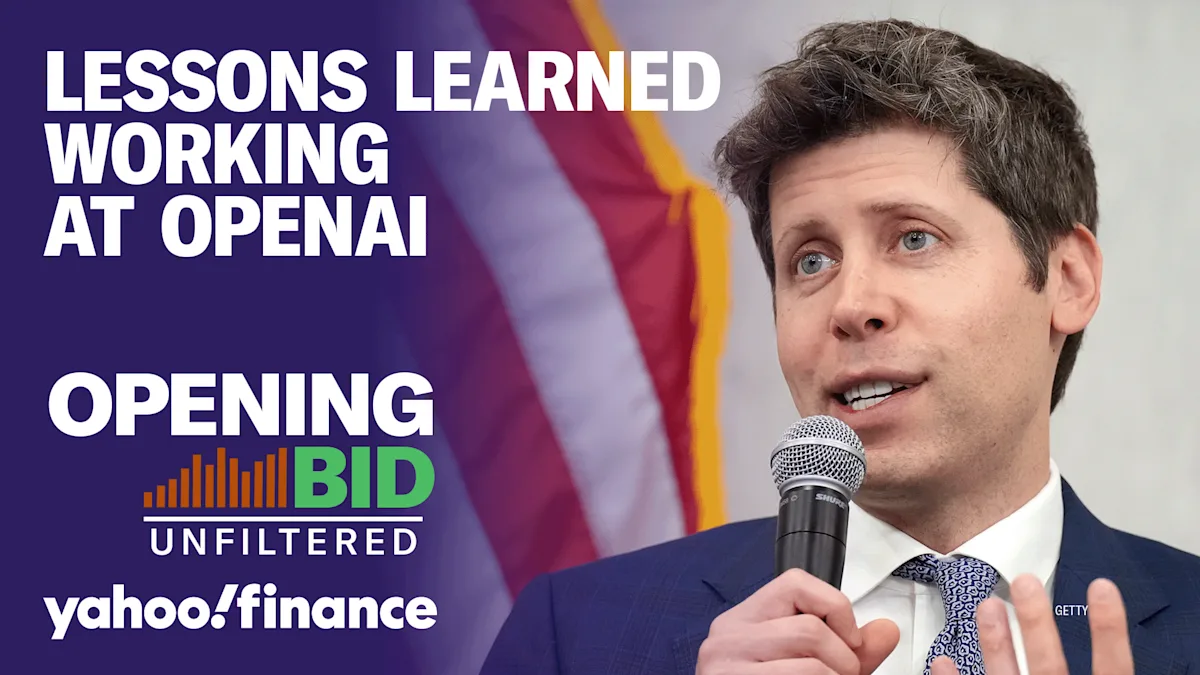
00:00 Speaker A
OpenAI comes back to your company.
00:01 Speaker B
Yes.
00:01 Speaker A
Has Sam Altman ever given you some amazing advice that you still do every day?
00:05 Speaker B
Yeah, actually maybe I could tell a story there. So going back to OpenAI, you know, when I left to join Facebook, we actually had some conversations with Sam about whether we should do something like proteomics, like and actually use artificial intelligence for protein design, you know, at the time.
00:20 Speaker B
And think the technology isn’t ready yet. So I think that might be a lesson, and so is AGI. It’s like you have to think big, but you also need to strike while the iron is hot.
00:29 Speaker B
So it doesn’t make sense to put these AI models into people’s hands like we did three years ago because it doesn’t work yet.
00:33 Speaker B
I think one of the reasons we think this is going to be the year of AI drug discovery and actual deployment of AI models is that the technology is finally working.
00:41 Speaker B
Uh Ilya actually said one thing to me, I think it was my first week at OpenAI. Well, he said, uh, any experiment that you start, you should try to make sure that it’s completed that day.
00:50 Speaker B
That’s something I’ve stuck with throughout my career. It’s not even just about training an AI model, but requires fast feedback loops. You need to be able to try things and get feedback from people.
00:58 Speaker B
That’s why drug development is so difficult, right? If your drug takes two years to discover, how do you get something like a feedback loop?
01:03 Speaker B
If we can, you know, compress those timelines and solve harder problems, we can iterate more and then hopefully come up with better solutions.