Do you care about our public lands? The current administration at the University of North Carolina Asheville wants you not to do that because they are moving forward with plans to lease 45 acres of forest to private developers. Selling or leasing public land for private benefit is illegal in every state except North Carolina. I don’t agree with my money being misappropriated.
UNCA is a public institution. That forest is publicly funded. A percentage is deducted from our salaries each year to help our public universities thrive. In fact, according to the most recent budget cycle, North Carolina residents paid about $420 per person per year.
Contributing to a system that benefits education and our collective good makes paying those taxes worthwhile. so far. Nothing in the plans proposed by the University promotes academics or the health and well-being of students. It will only benefit private investors.
I asked the Chancellor what it would take to turn this 45-acre forest into a classroom and sanctuary for everyone to enjoy. “Give me $38 million and I’ll consider it.”
But that’s not the current value of the land. That’s the long-term value that Chancellor Kimberly Van Noort and her cohorts claim if they allow a private developer in Ohio to bulldoze forests and build a 5,000-seat football stadium, market-rate apartments that students can’t afford, and retail that benefits from tax-exempt land.
Where is the proof of solvency? To date, there has been no economic feasibility study or return on investment (ROI) analysis of the current proposal on this public land.
Historically, public agencies could not lease property for private gain. With the Millennium Campus designation, the chancellor can lease our publicly funded land to two private individuals for 99 years. It doesn’t take a rocket scientist to see how we taxpayers are being cheated, and how students, teachers, and students in the newly created Master of Environmental Resilience are being deprived of what they want.
Without adequate return on investment, there is a real danger that bulldozers could uproot trees, clear 2.5 times the volume of dirt in Grove Arcade, and then disappear when the recession hits. The current 20,000 trees absorb 2.2 million gallons of water per year? Gone. But don’t worry. North Carolina law would protect universities and developers from liability, leaving us with the responsibility for flood protection. Increased summer heat? Currently, only 3% of Asheville is city parks. Healthy cities account for 15%. We need this forest.
When the Chancellor suspended the project last August, everyone believed democracy was working! The city is relieved as everyone believes that the long-standing relationship between the city and the school, built on respect between UNCA and us, their financial supporters, remains intact.
Creating a committee also seemed haphazard until we learned it did not include residents, members of the now-defunct Urban Forestry Committee, not a single student or local government member. Instead, the committee is dominated by real estate investors, builders, bankers, four members of the board of directors and a Duke Energy executive.
The chancellor is isolating herself from the people who fund the university and pay her salary. She gathered around the table the yes men and women who viewed the forest as an expendable mess that needed to be eradicated to bring private economic value. But their calculations don’t include the incredible value the forest already provides and the ongoing public outcry. Nor do any assumptions about risk factors lead to the likelihood of a recession.
The city has no incentive to conserve land. Protected land is not subject to real estate taxes. Neither does this public forest. Imagine these 45 acres as an urban forest preserve that Central Park is to New York City. Protected areas across the country promote tourism and protect the environment rather than destroy it. Overall, we can raise funds to manage the responsible and healthy forests, link them to tourism, and the Chamber of Commerce can follow the nation’s move toward green cities.
Our community values smart practices and inclusivity. This committee does not inspire confidence. A few months ago, our local officials expressed concerns about the proposed development. Now is the time for them to voice their opposition to the council’s exclusion of community stakeholders and address the infrastructure burden that will inevitably be placed on us taxpayers if this plan is approved.
If you would like to support this vision, please visit www.savethewoods.org for information on how to contact representatives, including our Governor Josh Stein. Help us save UNCA.
More: Opinion: UNCA Woods development will cost public, offer little benefit

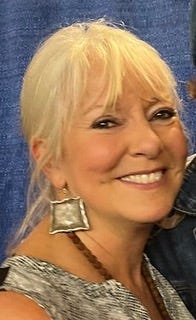
Kelly Warner
This article originally appeared in the Asheville Citizen Times: UNC Asheville Forest Plan: Public lands for private profit?
