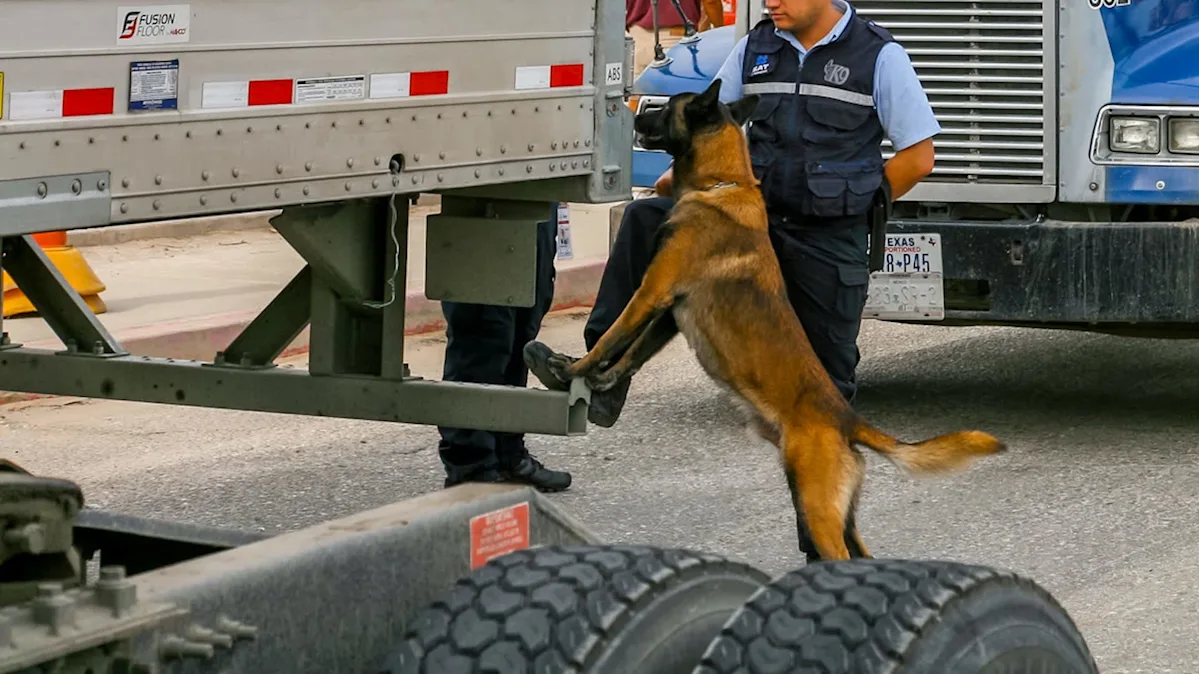
Agents at the California border have noticed an alarming increase in animal trafficking cases. More and more people are trying to smuggle everything from ivory to live birds and monkeys. Similar incidents have occurred in Massachusetts, Los Angeles County and Texas.
What happened?
The California Department of Fish and Wildlife has dealt with an increase in animal trafficking in recent months, according to Mongabay. Officials confiscated birds, elephant tusks, elephant tusks, rhino horns, live mammals and reptiles.
“The top three we’re seeing in California right now [are] Live reptiles, live coral … and live birds,” said Denise Larson, acting regional supervisor for wildlife inspections with the U.S. Fish and Wildlife Service.
Many animals are exposed to dangerous conditions while being smuggled, resulting in injuries, malnutrition and death. In addition, the media reported that many of the animals are species protected by the Convention on International Trade in Endangered Species of Wild Fauna and Flora and the U.S. Endangered Species Act.
However, smuggling laws are difficult to enforce due to the sheer volume of cargo moving in and out of airports and cargo ports. “We are seeing an increase in primate trafficking,” said Sara Walker, senior advisor to the Association of Zoos and Aquariums, Mongabay reported.
Why is wildlife trafficking important?
Animals that end up involved in the wildlife trade face a variety of difficulties that can also threaten human safety.
According to Mongabay, trafficked animals are stolen from their families, endure poor travel conditions, and then sent to homes where new owners don’t know how to care for them.
As a result, these animals are often malnourished, neglected, and do not receive appropriate veterinary care. “It’s really tragic … what happened to them,” said Nathan Smith, chief of the California Department of Fish and Wildlife’s trafficking division, Mongabay reported.
Additionally, WWF explains that escaped or released animals may outcompete native species, causing an imbalance in the ecosystem.
The animals may also increase the risk of disease infecting livestock, pets and even humans, the United Nations Office on Drugs and Crime said.
What steps are being taken to stop animal trafficking?
Although wildlife trafficking is a serious problem, solutions are on the horizon. For example, Mongabay reports that a wildlife confiscation network launched in 2023 helps get confiscated animals to trusted care facilities.
Lawmakers have also enacted laws to protect wildlife, such as the Captive Primates Public Safety Act.
On a personal level, individuals can also do their part to protect animals from wildlife trafficking. Avoid purchasing exotic pets or animal products and report anything suspicious to authorities. Also, do not interact with people on social media who promote wild animals as pets.
Get TCD’s free newsletter for simple tips to save more, reduce waste and make smarter choices, and earn up to $5,000 toward clean upgrades in TCD’s exclusive Rewards Club.
