Ever wonder how the super-rich plan for their golden years? Billionaires, who have the best financial advisors money can buy and more wealth than most of us can spend in ten lifetimes, approach retirement very differently than the average person.
Find out: I asked ChatGPT to predict what retirement will look like in 2050: Here’s what you should prepare for
Read Next: 9 Easy Ways to Earn Passive Income (You Can Start This Week)
I asked ChatGPT a simple question: Which billionaire has the smartest retirement strategy? The answer may surprise you because it’s not complicated at all.
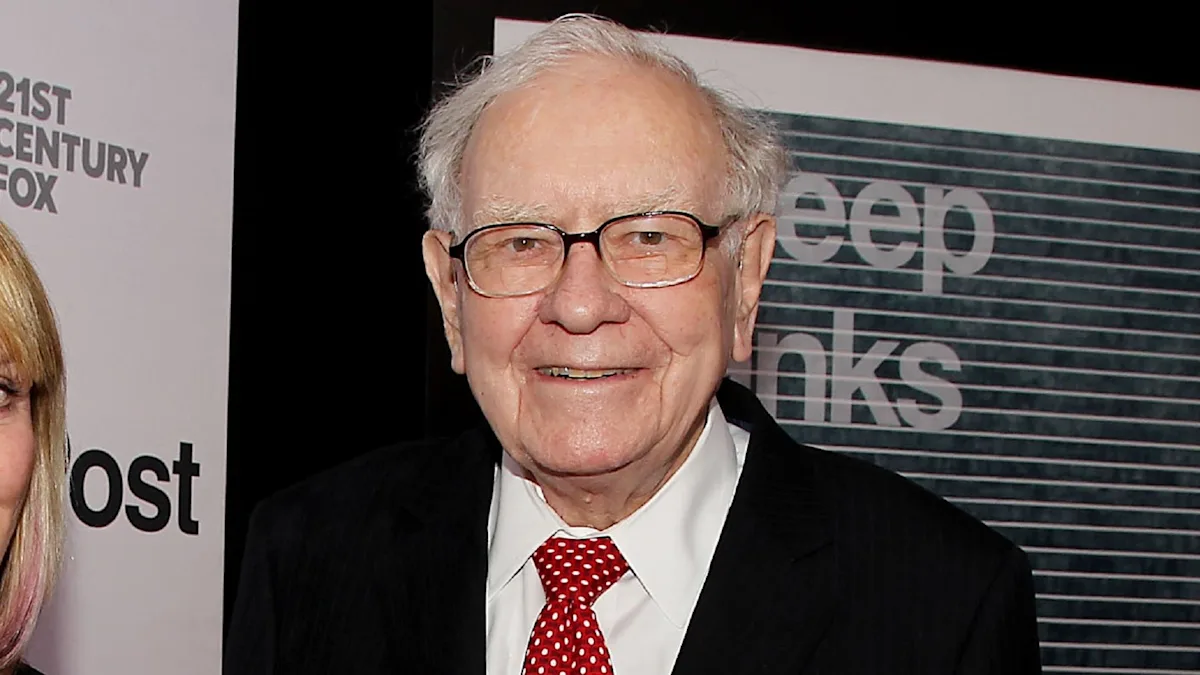
ChatGPT didn’t choose Warren Buffett because of some fancy tax scheme or complicated trust structure. Buffett’s approach is simple: Put 90% of your money into low-cost index funds that track the S&P 500 and another 10% into short-term government bonds.
This allocation gives you broad exposure to the U.S. economy without having to bet everything on a handful of individual companies. Buffett’s true genius is what he avoids: expensive money managers, constant trading, and trying to predict where the market will go next week. He recommends persevering in good times and bad, especially when things seem difficult.
Explore more: I asked ChatGPT when I could retire — and I couldn’t believe the answer
The beauty of Buffett’s method is that it eliminates much of the guesswork. You’re not trying to pick the next Amazon or figure out when to enter and exit a market. Research shows that simple index funds often beat actively managed portfolios over the long term.
Buffett also continues to warn about fees. When fund managers take a commission every year, that money can work against you over decades. Even a 1% difference in annual fees can cost you hundreds of thousands of dollars by the time you retire. His straightforward buy-and-hold approach keeps costs to a minimum and allows compound interest to work in your favor instead of against you.
Buffett’s retirement plan is about more than investment returns. He planned his estate so that most of his remaining wealth would eventually be donated to charity through a trust. It shows that he’s thinking about legacy and purpose beyond just accumulating more zeros in his bank account.
ChatGPT points out some important limitations. Buffett’s strategy makes a lot of sense when you have billions of dollars and can really set it and forget it. For people with smaller savings, the calculation may be different. Depending on when you need access to capital, you may need more growth or have a different risk tolerance.