


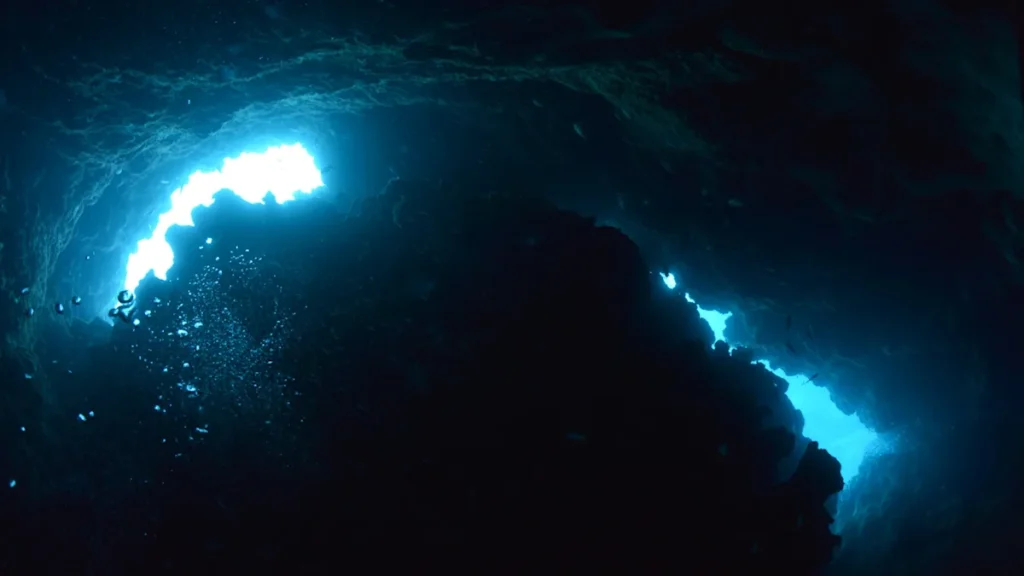
Scientists have discovered “shocking” amounts of plastic and other man-made debris deep in a Mediterranean sea cave.
What happened?
A team of researchers has conducted a comprehensive survey of marine debris in caves off the coast of the island of Cyprus.
“We found debris in every cave we studied, some with levels as high as 97 pieces per square meter, far exceeding levels typically found on open beaches, at the surface, or on the seafloor,” the authors said in a Phys.org article summarizing their newly published research.
They explain that sea caves act as “natural traps”, quietly accumulating marine debris.
“What we saw inside some of the caves was shocking,” they added.
Why is this important?
This research helps fill an important gap in understanding the extent of ocean plastic pollution. The authors note that while sea caves are often overlooked in studies of marine debris, these spaces serve as safe havens for many species. For example, several of the caves the team investigated are known resting and breeding sites for Mediterranean monk seals, which they describe as “one of the most endangered marine mammals in the world.”
They added: “While no monk seal deaths or serious injuries from large debris have yet been recorded in the Mediterranean, recent studies have confirmed the presence of microplastics in the species’ digestive tract.”
According to WWF-Australia, 100,000 marine mammals die every year from ingesting or becoming entangled in ocean plastic.
Meanwhile, scientists are studying the impact of microplastics — tiny fragments that break off from larger plastics as they break down — on human health. These fragments have been found in our water, food, soil and air, and have so far been linked to major health problems including reduced blood flow to the brain and lung cancer.
What measures are being taken to combat plastic pollution?
One thing we can all do to combat the plastic plague is use less. For example, consider investing in sturdy reusable water cups instead of relying on prepackaged bottled water in single-use plastic containers. Another impactful action is to bring your own reusable containers for leftovers when dining out.
Meanwhile, cave scientists are pushing for more research.
“This is just the beginning, we urgently need wider monitoring across the Mediterranean to understand just how widespread this problem is,” they said.
Get TCD’s free newsletter for simple tips to save more, reduce waste and make smarter choices, and earn up to $5,000 toward clean upgrades in TCD’s exclusive Rewards Club.