


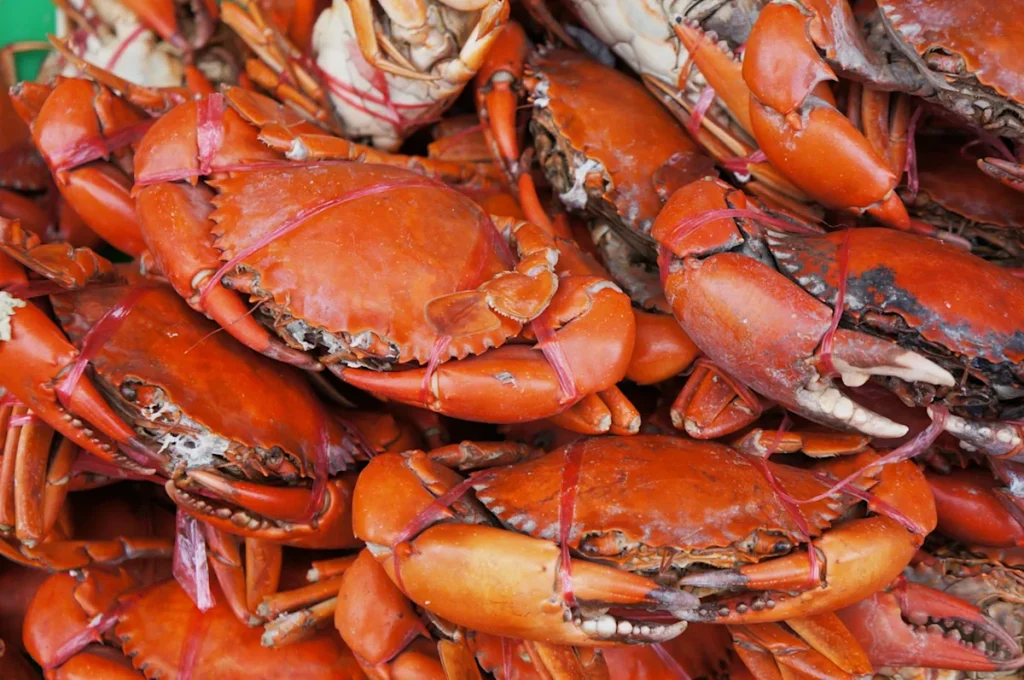
A game-changing discovery involving seafood waste could lead to a healthier world.
As Anthropocene details, researchers have found a way to extract an organic polymer called chitin from crustacean shells without using harsh chemicals. They believe their cost-effective approach can produce valuable plastic-free products, such as biodegradable packaging.
“We hope to turn this waste into treasures, or at least into value-added products,” Yangchao Luo, one of the researchers, said in a press release from the University of Connecticut. The results were published in the International Journal of Biomacromolecules.
According to a release from the University of Connecticut, chitin is one of the most abundant organic polymers on Earth, with approximately 100 billion tons produced annually. That’s one reason scientists have been looking at it as an alternative to plastics, for example.
However, as the University of Connecticut researchers point out, traditional chitin harvesting methods require large amounts of water, heat and polluting chemicals. Therefore, the United States does not have any facilities to perform this procedure.
To address this question, the research team conducted experiments on different types of acids that occur naturally in food. Combining lactic acid with glycerin and choline chloride helps break chemical bonds for a more sustainable way to obtain chitin.
Watch now: Honnold Foundation’s solar boat is making a difference in Amazon
Repurposing these shells will provide multiple benefits. First, approximately seven to nine million tons of lobster, shrimp and crab shells need to be processed each year. Often, they are dumped into the ocean or sent to landfills, both of which present problems.
The shells themselves are full of nutrients, and when they break down, these nutrients are released into the ecosystem. In the water, this could lead to “dead zones” where marine animals and plants cannot survive, Luo said. On land, the shells released methane, causing an excess of the heat-trapping gas to overheat the planet.
Most plastics are made from dirty energy sources, such as motor oil and gasoline, which are major drivers of climate change, causing an increase in extreme weather events and even causing disruptions in the seafood supply chain itself.
Plastic pollution is linked to long-term health problems, and according to the United Nations Environment Programme, nearly 40% of plastic is manufactured for packaging purposes.
According to a release from UConn, Luo’s team has been granted a provisional patent by the university’s Technology Commercialization Service, and the group now plans to streamline its process and study whether chitin can be used as a fertilizer for crops.
Join our free newsletter for weekly updates on the coolest innovations improve our lives and save our planet.