


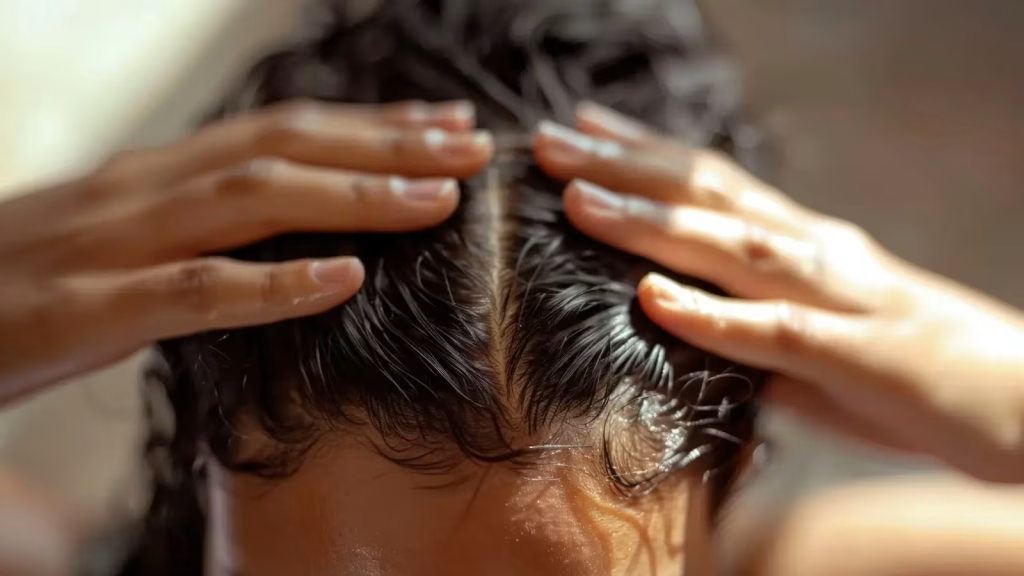
Why scalp exfoliation is important for healthy hair growth. Discover techniques, benefits and methods for every scalp type.
When we think of hair care, we often focus on shiny locks that fall past our shoulders. We carefully select the latest shampoos, conditioners and styling products to keep our hair looking beautiful. But how often do we think about the health of our scalp? The scalp is not just skin, it is an integral part of skin. It’s a living environment filled with hair follicles, oil glands, and tiny blood vessels that work together to support healthy hair growth. Unfortunately, if we ignore this environment, it can cause many problems. Over time, hair care products, sweat, and pollutants can build up on the scalp. This buildup disrupts the balance and damages the health of our hair.
What happens if your scalp is unhealthy?
Think of your scalp as a garden. When it becomes clogged with dirt and debris, water and nutrients are unable to reach the roots, causing the plant to wilt. Likewise, when our scalp accumulates dead skin cells, excess oil, and leftover styling products, it can clog hair follicles. “This blockage can slow hair growth by disrupting the oil balance, causing itching, flaking, and even thinning,” dermatologist Dr. Veena Praveen told Health Shots. To keep your hair healthy and vibrant, we need to focus on an important but often overlooked practice: scalp exfoliation.
Is scalp exfoliation important?
Just like we exfoliate our face to remove dead skin and unclog pores, we should also exfoliate our scalp. This helps keep the scalp clean and healthy, allowing our hair to grow better.
Let’s take a look at the benefits of scalp exfoliation
1. Enhance microcirculation: Scalp exfoliation helps increase blood flow to the hair follicles. This improved circulation allows for better nutrient delivery. When the scalp receives adequate blood flow, it can better support healthy hair growth.
2. Relieve common scalp problems: “Regular exfoliation can help treat dandruff, itchiness, and excess oil. By removing debris buildup, you can reduce the chance of developing these problems,” says dermatologists.
3. Improve product efficacy: When you adequately exfoliate your scalp, the serums and treatments you use can penetrate better. This makes their work more effective.
4. Promotes thicker, smoother hair: When your scalp is clean, your hair is likely to become softer, fuller, and easier to manage over time.
How to properly exfoliate your scalp?
Before you start exfoliating your scalp, it’s important to choose the right method for your scalp type. Here’s a quick guide to help you:
- Normal scalp: Gently exfoliate once a week with a gentle scrub or chemical exfoliant to keep your skin balanced.
- Oily scalp: Exfoliate your scalp a few times a week to reduce excess oil buildup. Choose products specifically designed for oily scalps.
- Dry scalp: “Using a hydrating exfoliant every two weeks can help prevent skin flaking while keeping essential oils intact,” says Dr. Praveen.
- Sensitive scalp: Choose gentle products or prepare your own treatments using natural ingredients like sugar or oatmeal. Always do a patch test before full application.
- Scalp prone to accumulation: Exfoliate with a strong scrub once a week to help remove excess product buildup.
IMPORTANT NOTE: “Always see a dermatologist if you have any scalp issues. Exfoliation may make some problems worse,” the dermatologist shares.
Is scalp exfoliation good?
Scalp exfoliation is more than just daily cleansing; it’s a way to completely renew your scalp and restore its health. Not only do you get rid of dead skin; You’re getting ready for a new phase in your hair health. To start your scalp care journey, focus on addressing oil balance and possible hair thinning.
You may also like