


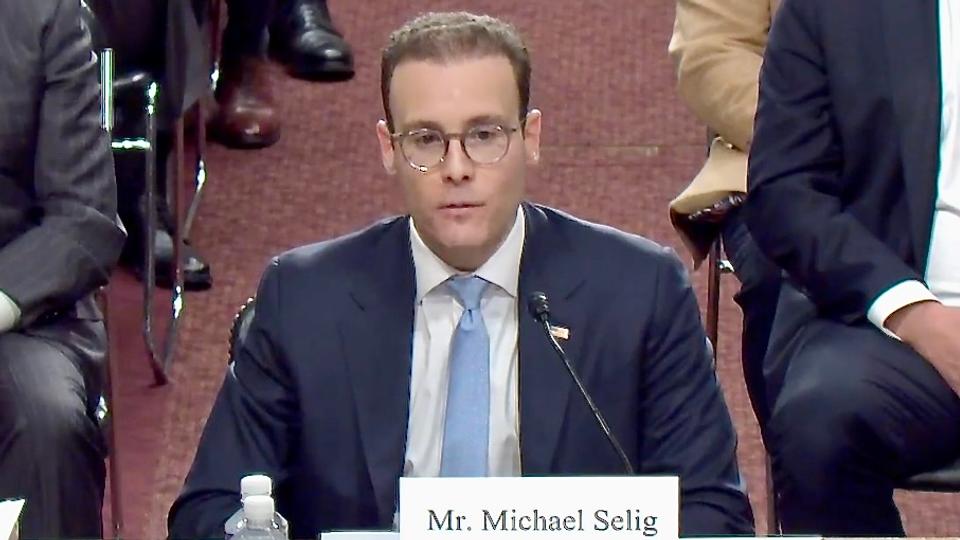
Two key positions in U.S. cryptocurrency regulation moved forward this week in the Senate, which drew up a list of dozens of nominees to be considered for immediate confirmation, including Mike Selig as chairman of the Commodity Futures Trading Commission and Travis Hill as chairman of the Federal Deposit Insurance Corporation.
Senate Majority Leader John Thune launched a process known as “winding up” on Tuesday as the Senate prepares for votes to pass the 60-member threshold normally required for action. His resolutions included more than 80 nominees for federal offices (and in some cases, like Selig’s, one person for two offices). A final vote is expected to take place as early as Thursday.
As the CFTC prepares to take a leading role in cryptocurrency regulation, Selig is poised to be confirmed for both the commission position and the chairmanship. Because he will succeed acting Chairwoman Caroline Pham, who is expected to leave the agency upon her arrival, he will be the only member of the five-member committee, but the White House has not yet moved to provide any colleagues.
The U.S. derivatives regulator is already pursuing a number of cryptocurrency policies, but if the Senate finalizes its cryptocurrency market structure legislation, the agency will further gain clear authority over the cryptocurrency market.
The FDIC will regulate stablecoin issuers and have a significant impact on banking in the cryptocurrency industry, and Hill is already running the agency as acting chairman. In this role, he adopted a crypto-friendly stance.
“We are undoing the policies of the last several years,” he told lawmakers at a House Financial Services Committee hearing on Dec. 2, referring to the Biden administration-era position that saw bank regulators tell bankers they needed approval from government regulators before engaging in new cryptocurrency activity. “Banks should manage safety and soundness risks, but there is no prohibition on servicing these industries.”
Hill has also taken a leading role in addressing the crypto industry’s complaints about so-called “de-banking,” in which banks cut ties with crypto businesses and their executives, which industry insiders and many of their Republican congressional allies say are encouraged by regulatory policies.