


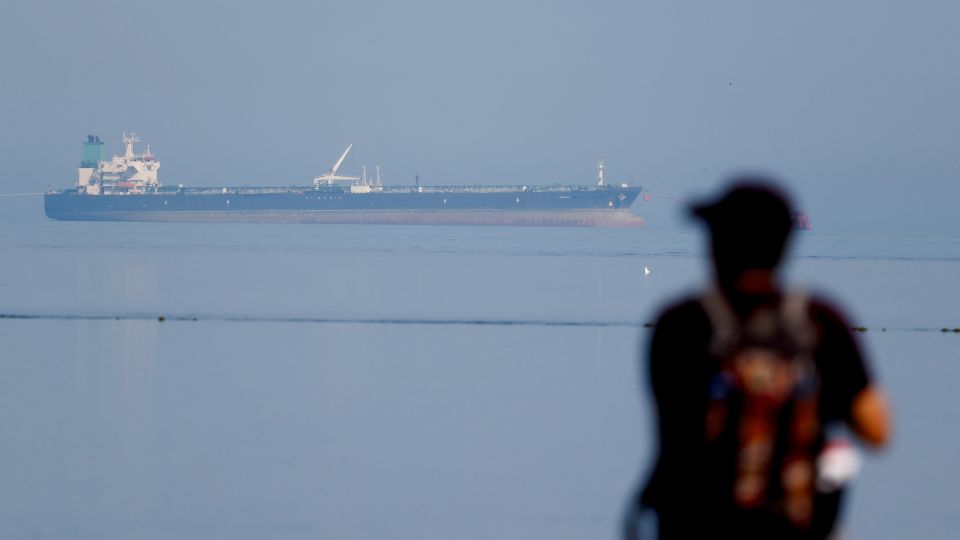
The Trump administration on Thursday issued a new license allowing countries to temporarily buy certain Russian oil products, the same day Brent crude prices topped $100 a barrel for the first time since August 2022 as the war with Iran dragged on.
The United States has temporarily lifted sanctions on major exporter Russian oil, even though it had previously pressured Rosneft to stem the flow of funds to finance Moscow’s war in Ukraine.
“To expand the global reach of existing supplies, @USTreasury is providing temporary authorization to allow countries to purchase Russian oil currently stranded offshore,” U.S. Treasury Secretary Scott Bessent wrote on social media. “This narrow, short-term measure only applies to oil already in transit and will not provide significant economic benefits to the Russian government, which derives most of its energy revenue from taxes assessed at the time of extraction.”
The license, posted on the U.S. Treasury Department’s website, only applies to Russian crude oil or petroleum products shipped as of March 12. The license authorizes the shipment of these goods until April 11.
Sen. Jeanne Shaheen, D-N.H., ranking member of the Senate Foreign Relations Committee, criticized the decision on social media. “While Putin helps Iran target Americans in the Middle East, the U.S. president is now filling the Kremlin’s war coffers. Far from squeezing Russia’s crumbling economy, the president’s ill-planned war has provided Putin with a windfall while American families face higher prices,” Shaheen wrote.
CNN previously reported that the United States has granted Indian refiners a 30-day exemption to purchase Russian oil currently stranded at sea. Bessant said at the time that the move was “to allow oil to continue to flow into global markets.”
The war is now entering its second week, with a fifth of global oil shipments passing through the Strait of Hormuz, which is effectively closed to tanker traffic. Oil prices surged as analysts, economists and traders warned that even a quick end to the war would not necessarily mean a swift reopening of the strait.
As energy shortages intensify, countries have scrambled to contain the economic fallout by curbing consumption, capping fuel prices and dipping into emergency oil reserves.
For more CNN news and newsletters, create an account at CNN.com