As artificial intelligence threatens to disrupt the labor market, workers across industries, from Gen Z to baby boomers, are looking for ways to future-proof their careers. Palantir CEO Alex Karp offered a very simple view of who will come out on top.
“There are basically two ways to know you have a future,” the 58-year-old billionaire said on his website. TBPN earlier this month. “One, you’ve had some vocational training. Or two, you’re neurodivergent.”
Karp’s first category reflects a growing consensus: Skilled industry professionals, from electricians to plumbers, are difficult to automate and are increasingly in demand as big tech companies build massive data centers and the U.S. faces existing labor shortages.
The second category is more personal. Karp has long spoken about living with dyslexia, a learning disability that affects reading, writing and information processing. More broadly, neurodivergence can include conditions such as ADHD and autism.
For Karp, this cognitive difference could be an advantage in an AI-driven world — more because of the mindset it can foster than because of the diagnosis itself. Success, he believes, will favor those who think differently and take risks, or as he puts it, “be more like an artist, look at things from a different direction and be able to create something unique.”
A Gartner study shows that by 2027, one in five sales organizations within Fortune 500 companies is expected to actively recruit neurodivergent talent to improve business performance.
While neurodivergence is not a requirement to get a job at Palantir, the company has made it clear that it sees such candidates as a strategic advantage.
It offers specialized “neurodivergent scholarships” designed to recruit talent who think differently than traditional employees.
“Neurodivergent individuals will play a disproportionate role in shaping the future of America and the West,” the job posting states. “They see past performative ideologies and perceive the beauty of the world that still exists—beauty that technology and art can reveal.”
This emphasis reflects Karp’s broader skepticism about traditional career paths. Although Karp holds three degrees, including a J.D. from Stanford University and a Ph.D. in philosophy from Goethe University in Germany, he is outspoken about the limitations of higher education in an AI-driven economy.
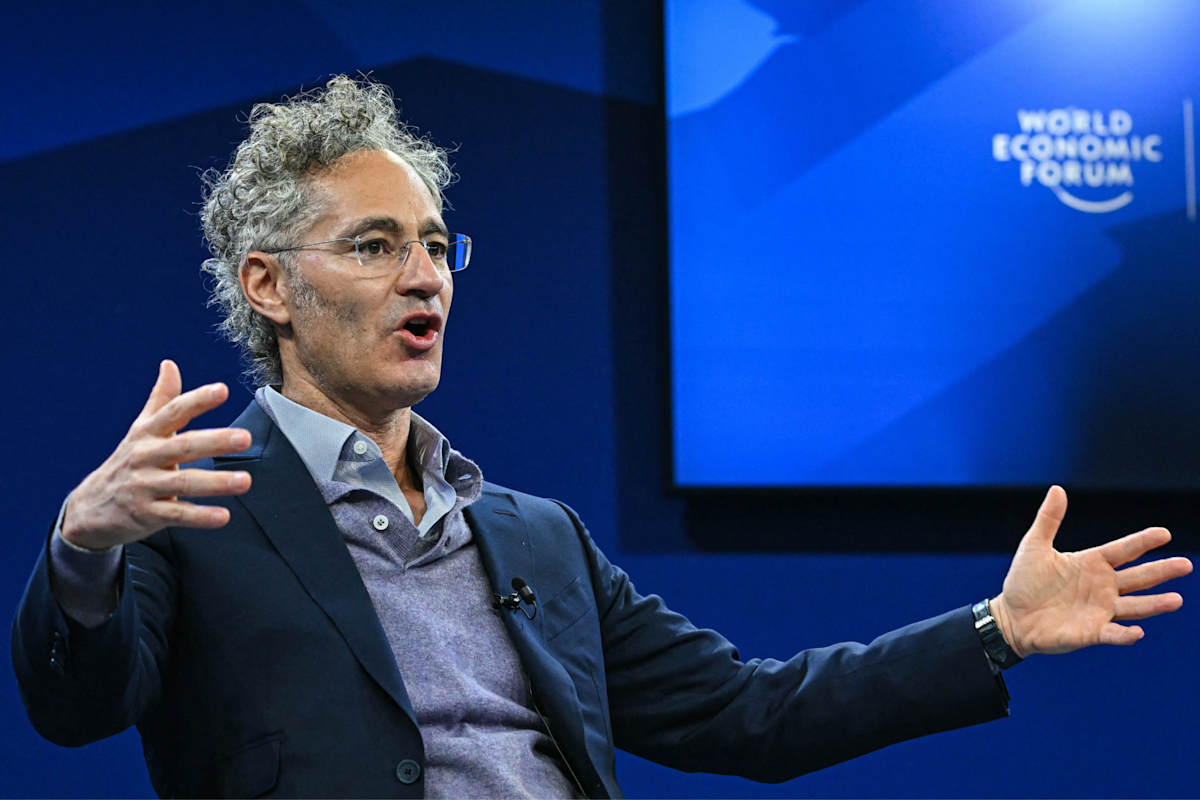
“[AI] “This will destroy jobs in the humanities,” Karp told the World Economic Forum’s annual meeting in Davos, Switzerland, earlier this year. “You study philosophy at an elite school – and I’ll use myself as an example – and hopefully you’ll have some other skills, but those will be difficult to market.”