


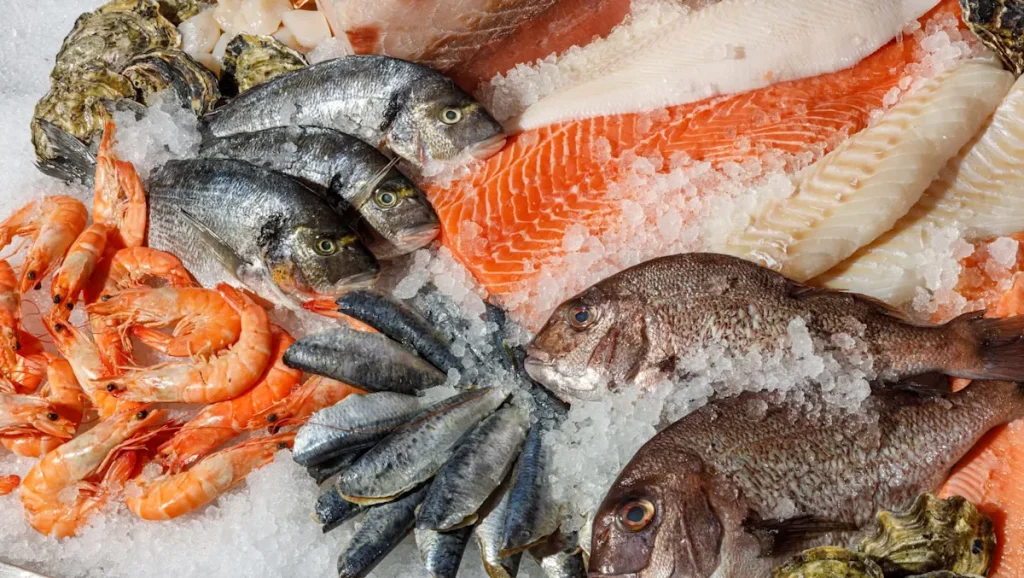
Research highlights a shocking finding – the lobster on your plate may contain more than just butter sauce.
What happened?
Every lobster sampled from four commercial fishing sites in Nova Scotia, Canada, contained microplastics — tiny pieces of plastic that form when bottles, bags and fishing gear break apart in the ocean, according to a study published in the journal Marine Science Regional Research.
The researchers detected the particles not only in the lobster’s organs but also in its tail meat, the part people eat.
Most plastics come from fishing ropes and synthetic fibers, with lobsters caught in heavily fished areas showing higher concentrations. Interestingly, smaller lobsters contained more plastic in their muscles than larger lobsters.
“Continued research and monitoring are urgently needed to fully understand the transport and fate of microplastics in marine organisms, the environment, and human health,” the study authors warn.
Why is this concerning?
Microplastics show up in common sources such as salt and tap water, and the findings hit particularly close to home on dinner plates.
While scientists are still uncovering the long-term health effects, early research suggests the particles may carry harmful chemicals that could interfere with human cells if ingested.
For coastal communities that rely on lobster fishing, the findings raise deeper concerns — not just about the health of the ocean, but also about the safety and reputation of important food sources and livelihoods.
Similar studies have found microplastics in everything from bottled water to everyday foods, including a cup of tea, adding further evidence that plastic pollution is not just an environmental issue but a public health issue as well.
What measures are being taken?
Experts say reducing plastic waste is key. Some fisheries are already testing biodegradable ropes and fishing gear to reduce plastic losses at sea. Consumers can help by choosing reusable products and avoiding single-use plastics where possible.
Other innovators are stepping up, too — from companies turning ocean plastic into sneakers to startups turning discarded fishing nets into household products.
Every effort reduces plastic in water sources and helps keep it off our plates.


��
Get TCD’s free newsletter for simple tips to save more, reduce waste and make smarter choices, and earn up to $5,000 toward clean upgrades in TCD’s exclusive Rewards Club.