


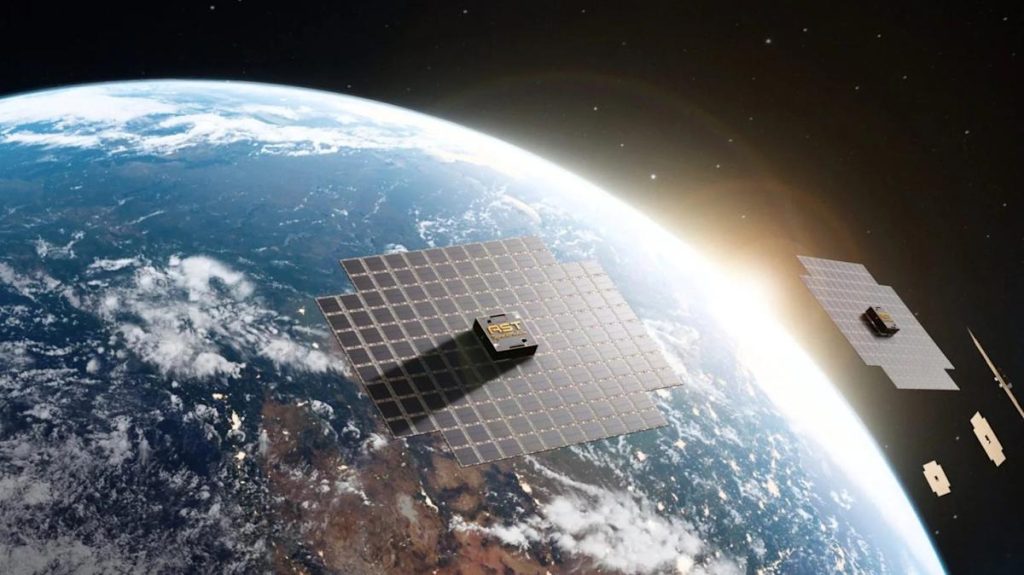
SpaceX may have put 10,000 Starlink satellites into orbit, but now it faces stiff competition. As the name suggests, the body is big. Texas-based AST SpaceMobile just launched the largest low-Earth orbit satellite ever launched. At 2,400 square feet, BlueBird 6 is about the size of a three-bedroom apartment. The startup thinks bigger is better, because it’s that size that allows it to do something even Starlink can’t: provide direct 5G service to regular old phones. The company hopes to put about 50 more satellites into orbit next year and then make them available to customers shortly after.
Basically, the idea is that you’ll never lose cell phone signal anywhere, much to the chagrin of horror movie fans everywhere. Starlink and its tiny satellites can’t actually hear signals from cellphones, which is why it needs its own equipment to relay signals into space. By contrast, a giant antenna allows BlueBird to pick up weak signals from cellphones, then digitally clean them up and send them to one of the company’s antennas on the ground. The company then forwards your signal to your regular cell phone service; currently, AT&T, Verizon and more than 50 other companies are partners. The integration is seamless, so once your phone loses contact with a tower, it automatically switches to satellite. According to AST, this will give you 120 Mbps, which is pretty good.
Read more: Anyone can drive Volvo’s new VNL semi-truck, but that doesn’t make you a truck driver
quality vs quantity


Chart showing relative sizes of people, BMW 5 Series, old Bluebird satellites, and current Bluebird satellites – AST SpaceMobile
AST SpaceMobile already has five satellites in orbit, but BlueBird 6 is three times the size, Gizmodo reports. That’s great if you’re only considering cell phone service. But if you care about things like astronomy and light pollution, that’s really bad. Gizmodo also reports that older satellites with giant reflective solar panels eventually became as bright as the ten brightest stars in the entire sky. If AST ends up putting hundreds of these objects into orbit as they plan, it will greatly disrupt the view of observatories on Earth and in space.
As you might expect, SpaceX is handling this challenge with grace and aplomb. Of course, I mean it told the FCC that the Bluebird satellite was at risk of crashing. Never mind that SpaceX has thousands of satellites in orbit, big satellites are dangerous satellites! Didn’t anyone tell SpaceX that size doesn’t matter? Well, obviously it had to, otherwise it wouldn’t be so frightened. It’s all part of the race to get the constellation into orbit, which is only going to get more crowded and competitive in the near future.
Want more like this? Join the Jalopnik newsletter to get the latest automotive news delivered straight to your inbox and add us as your preferred search source on Google.
Read the original article on Jalopnik.