


When Pensacola-area buyer Chelsea Hoffman took delivery of her new 2026 Cadillac Escalade in late 2025, she expected Rolls-Royce-level service, showroom shine, and an unmistakable Monroney window sticker outlining every option and money spent.
What she got instead was confusion and a warning to the rest of us when it comes to transparency, compliance and consumer protection in today’s high-stakes luxury car market. Huffman documented her story in a series of now-deleted TikTok videos, leaving fans wondering why she deleted them.
Missing Window Sticker: A Red Flag on Day One
What seemed like a clerical oversight quickly turned into something much bigger. Hoffman received a brand-new Escalade — a six-figure purchase — and noticed there was no window sticker on the car when it was delivered. Instead, there was just a shipping label that said “Not for Sale.”
This is very unusual. Under the Motor Vehicle Disclosure Act of 1958, every new vehicle sold in the United States must have a Monroney window sticker showing the MSRP, options and destination charges before the sale is completed.
For a luxury car like an Escalade, where a set of wheels or a trim package can cost tens of thousands of dollars, a sticker is more than just “that piece of paper on the glass”—it’s proof of exactly what the customer is agreeing to buy.
Hoffman requested the original window sticker at least seven times and requested documents directly from General Motors multiple times. But instead of having the original manufacturer-issued sticker tied to her VIN, she was told the dealer modified the sticker after the sale. A GM representative confirmed this claim in writing in her case with BBB Auto Line.
This is where the plot gets complicated.
Why Stickers Matter (More Than You Think)


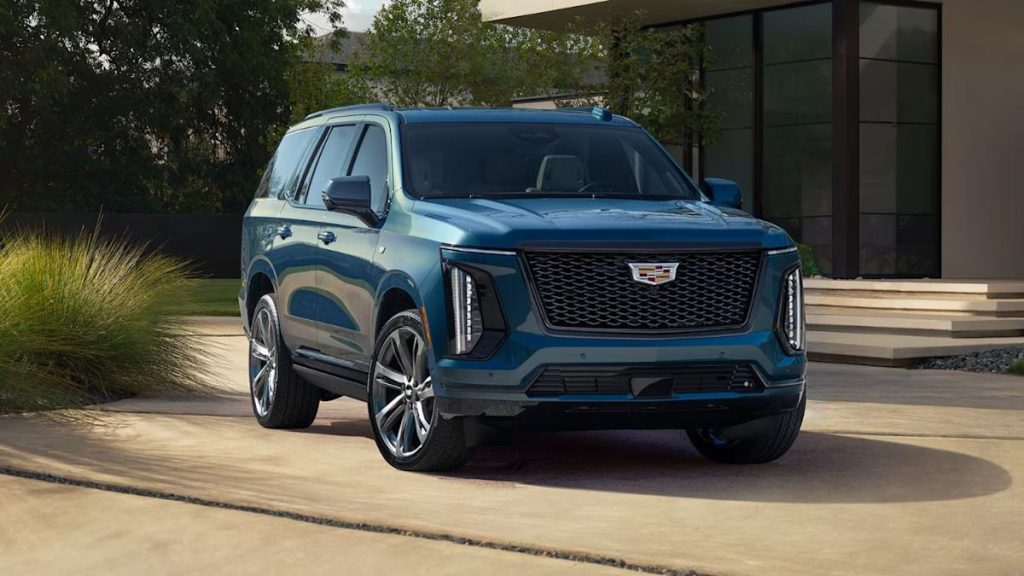
Image source: Cadillac.
For many car buyers, the window sticker is an afterthought and seems to be exactly what dealers are counting on—”the stuff in the binder”—but Hoffman’s experience underscores its importance:
-
The law stipulates: The dealer must display it before selling. Its absence at delivery signals a breakdown in transparency for sellers.
-
Here’s a log of the build and options: When it comes to luxury cars, buyers carefully weigh advanced packages and high-cost upgrades. A mismatch between listed features and actual features can mean thousands of dollars in unaccounted value.
-
This is the heart of the controversy: Lemon law and buyback cases hinge on differences documented in vehicle configuration and performance statements.
Therefore, while replacement window stickers can be reprinted in limited circumstances (damaged or lost in transit), changing the original device description after sale raises compliance issues and may mislead customers.
Mechanical failure on top of paperwork issues

Image credit: Brandon Woyshnis/Shutterstock.
The sticker drama was just the beginning of Hoffman’s misery. Within weeks of taking delivery of the Escalade, she experienced ongoing engine issues that resulted in limited resolution of the vehicle in and out of the dealership, an experience no new car buyer wants.
Repeated repairs without a clear fix prompted her to invoke Florida’s lemon law protections, which allow consumers to seek a new purchase if a major defect persists after reasonable attempts at repair. After escalating through arbitration, Huffman said GM agreed to the buyback, but she expressed concerns about the clarity of the terms of the settlement.
Interestingly, this isn’t an isolated problem in the Escalade world. Owners have reported engine failures, including catastrophic mechanical failure, repetitive repair chains, and manufacturers refusing to recall when the engine fails prematurely.
Hoffman’s Lessons
-
Document everything before signing
Buyers should take a photo of the window sticker before signing final documents. This retains a snapshot of the vehicle’s factory build and price. -
Know your rights
Lemon laws vary from state to state, but persistent deficiencies coupled with gaps in documentation can strengthen a buyer’s case if pursued through arbitration or legal channels. -
Dealers must maintain compliance and transparency
Missing or altered stickers are more than just bookkeeping errors, as they can undermine trust and expose dealers to regulatory scrutiny.
Now that digital contracts and online sales processes are the norm, Hoffman’s story is a powerful reminder of the reality that window stickers are proof of commitment. Hoffman found that when that promise fell through, the road ahead became very bumpy.