


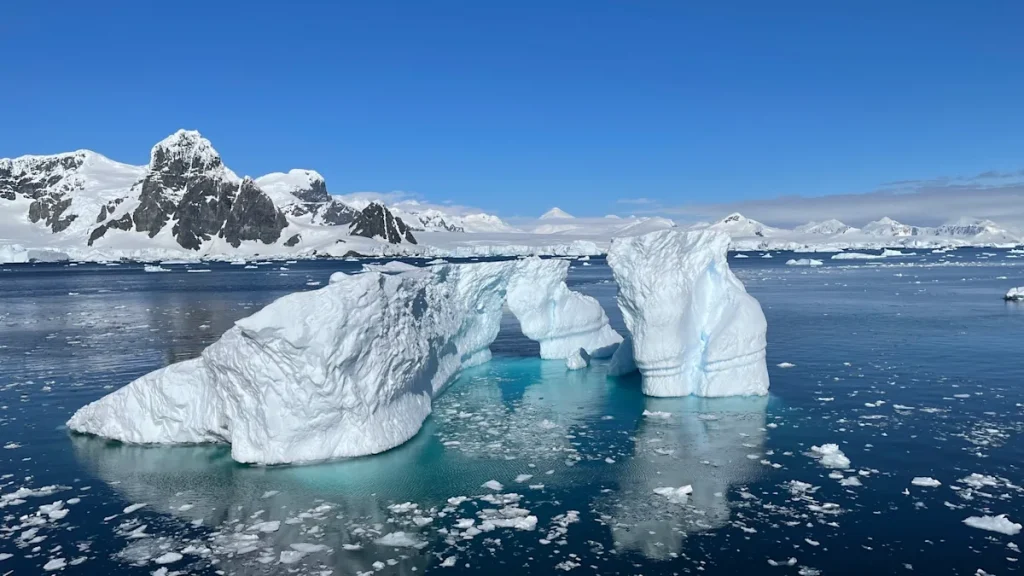
A buoy missing for two and a half years has finally resurfaced in East Antarctica.
Scientists have recovered data from the buoys, providing new clues about the continent’s melting glaciers.
What happened?
A robotic instrument designed to measure the ocean around Totten Glacier drifted away and disappeared, The Conversation reports. However, it remains intact and is collecting data from parts of the ocean that are notoriously difficult to sample.
The float has resurfaced after disappearing under an ice shelf for nine months. During this time, it collected temperature and salinity profiles from the seafloor to the base of the ice shelf.
Due to GPS communication issues, the exact location of the measurements could not be determined. However, the data is still useful because scientists can compare it to satellite measurements and come up with approximations.
They determined that Antarctica’s Shackleton Ice Shelf was less prone to melting, but Denman Glacier was fragile and very susceptible to melting and damage.
Why are ocean measurements important?
By measuring the ocean beneath the ice shelves, scientists can better understand melting glaciers and rising sea levels. The fate of the Antarctic region depends on how quickly sea levels rise and how much heat reaches the ice shelves.
Scientists’ observations of recovered ocean buoys reveal the fragility of Antarctica’s two most important glaciers. Although both glaciers are currently stable, further ice retreat will cause irreversible ice melt and destabilize them.
“We are committed once this unstable retreat process begins,” the study’s authors wrote. “Full sea level rise may take centuries to achieve, but there is no turning back.”
What measures are we taking to combat the melting of Antarctic glaciers?
Studies like this make melting glaciers feel more real and relevant to our daily lives. Melting in Antarctica will have knock-on effects around the world, as melting glaciers will cause global sea levels to rise.
Rising sea levels could lead to more frequent coastal flooding, violent underwater storms, beach erosion, infrastructure damage and contamination of freshwater supplies. At the same time, rising sea levels can destroy coastal wildlife habitats, displace communities, and create a public health crisis.
Even if you live far away from Antarctica, there are things you can do at home to help protect our planet from melting ice caps and rising sea levels. Simple, sustainable actions can help you prepare for extreme weather events and reduce your monthly energy bills.
For example, installing solar panels on your home and pairing them with backup battery storage can increase your resiliency and save you money in the long term.
TCD’s Solar Explorer can help you start comparing installation quotes. EnergySage, one of TCD’s solar partners, helps homeowners save up to $10,000 on installation through its free quote comparison tool.
By learning more about key climate issues like melting Antarctic ice, you can share what you know with others to increase public awareness. Inspiring others through your words and actions can inspire advocacy and help everyone take positive action on Earth’s changing climate in Antarctica and beyond.
Get TCD’s free newsletter for simple tips to save more, reduce waste and make smarter choices, and earn up to $5,000 toward clean upgrades in TCD’s exclusive Rewards Club.