


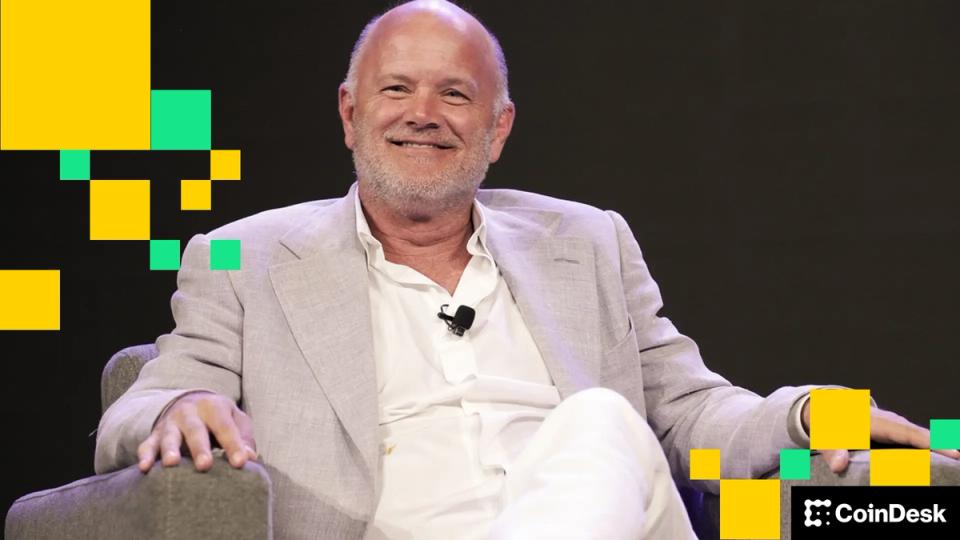
Ripple links payment token XRP and smart contract platform Galaxy Digital founder and CEO Mike Novogratz said in a recent interview that as the cryptocurrency market matures from a hype-driven narrative to a fundamentals-focused asset, it must demonstrate true utility beyond a loyal community.
“Can Ripple support it? Can Cardano support it?” Novogratz said Friday when speaking to Galaxy Research Director Alex Thorn.
He emphasized that while XRP and Cardano’s native token ADA have resilient fan bases, their on-chain activity remains relatively weak.
“Charles Hoskinson, bless his soul, he kept a blockchain for the Cardano community that people didn’t use very often,” Novogratz said. “He had a community as strong as XRP. Can you keep it together when there are more and more options?”
Novogratz believes the broader market is evolving: tokens that are not “currencies” like Bitcoin will be valued based on revenue, usage and measurable value like traditional businesses.
Fintech company Ripple uses XRP tokens as a bridge asset to enable fast, low-cost cross-border payments through its RippleNet network and to establish partnerships with banks and fintech companies. However, critics have long pointed out that its organic activity remains low and does not justify XRP’s multi-billion dollar market valuation.
According to CoinMarketCap, XRP currently has a market capitalization of approximately $115 billion, ranking fifth among cryptocurrencies. Cardano’s ADA is approximately $13-14 billion, ranking 12th.
On-chain metrics highlight Novogratz’s concerns about adoption. According to data source CryptoQuant, as of press time, the number of active XRP addresses was 16,703.
Cardano has a total of over 19,000 active addresses. Both numbers are significantly lower than other projects like Solana, which typically have millions of active addresses driven by DeFi, memes, and applications. Solana’s SOL token has a market capitalization of $72 billion, ranking seventh in the world.
Novogratz contrasted community-driven tokens with emerging examples like Hyperliquid, a decentralized perpetual exchange that generates real revenue and burns much of its profits to buy back its tokens, creating a stock-like economy.