


“Only by studying the past can we define the future,” is an obscure quote from Chinese philosopher Confucius, and a new study published in the journal Nature Communications Earth & Environment perfectly illustrates what this means.
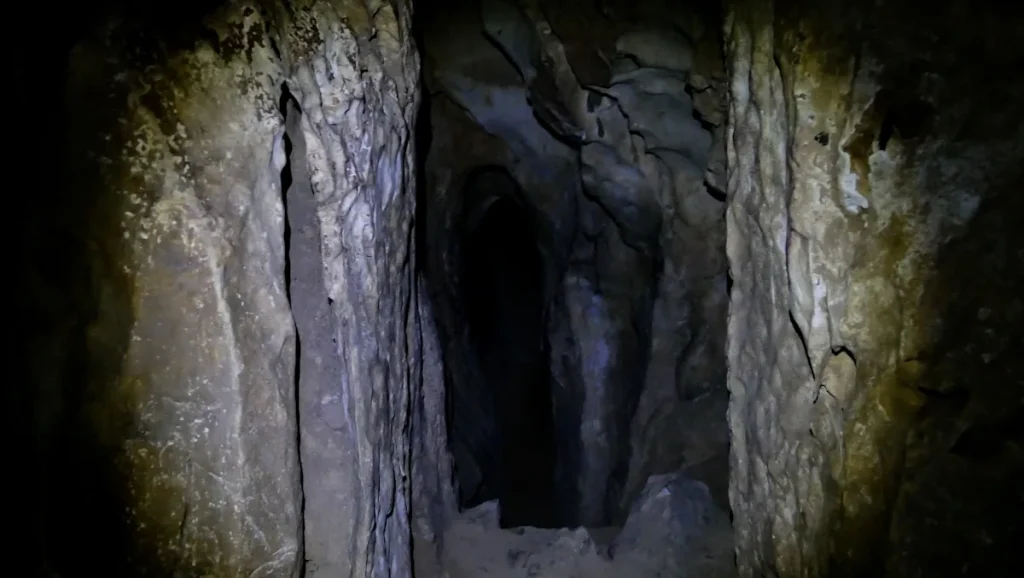
In 2022 and 2023, researchers in Saudi Arabia excavated 134 underground caves as part of a broader effort to study the region’s native wildlife.
They were surprised to find seven mummified cheetahs and 54 skeletons.
As the study notes, cheetah populations have “experienced particularly severe population declines globally” and have lost more than 90 percent of their global habitat.
The researchers acknowledge that cheetah population declines in the wider Arabian Peninsula are “poorly documented” but are mainly attributed to “habitat loss and fragmentation, prey depletion, human-wildlife conflict, unregulated hunting and the trade of cheetahs as pets or prey”.
The study identified five known cheetah subspecies and found that the critically endangered Asian cheetah, of which only a few dozen remain, is “historically… thought to exist in Saudi Arabia.”
This hypothesis is based in part on sighting reports between 1838 and 1977, but the researchers note that there is a “lack of evidence” beyond that to support Saudi Arabia’s ongoing efforts to rebuild cheetah populations.
The discovery, which contains “skeletal remains dating to about 4,000 years ago” and other remains from 150 years ago, provides researchers with a wealth of biological data from which to draw and guide their work.
Subsequent DNA analysis yielded surprising insights into cheetah subspecies in the Arabian Peninsula, with the “youngest” specimen most closely related to the critically endangered Asia cheetah, BBC Wildlife reported.
As the authors point out, Saudi Arabia’s conservation initiatives to achieve the Global Biodiversity Goals will necessarily mean working to “rebuild and restore critically endangered species to their former biogeographic ranges.”
The researchers note that such initiatives are particularly impactful when they involve apex predators such as cheetahs, whose declines “may lead to ecosystem degradation due to herbivore deregulation,” thereby damaging regional biodiversity.
Ultimately, the researchers concluded that the discovery of the cheetah mummified remains provides key information for the reintroduction of cheetahs, and they highlight the importance of caves for conservation and rewilding.
“Our results highlight the important role that caves may play as repositories of ancient biodiversity information in the absence of baselines [for] rewilding efforts,” the authors wrote.
Get TCD’s free newsletter for simple tips to save more, reduce waste and make smarter choices, and earn up to $5,000 toward clean upgrades in TCD’s exclusive Rewards Club.