


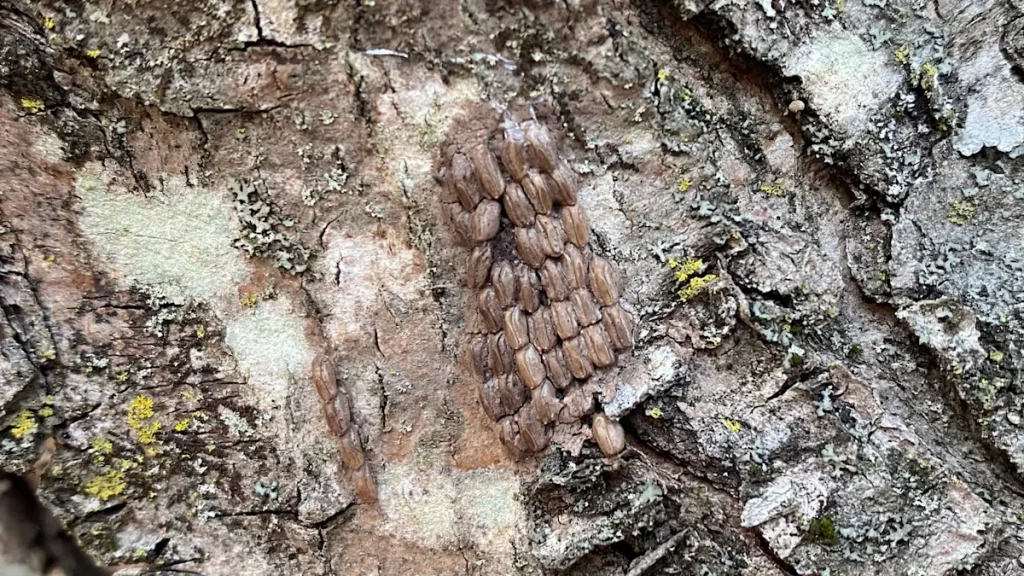
This winter, residents of Massachusetts are facing disturbing news: A local town is suffering from an infestation of a highly destructive invasive insect species, causing concerns among officials and property owners.
What happened?
MassLive reports that authorities with the Massachusetts Department of Agriculture and Resources found spotted lanternfly eggs in Bridgewater, suggesting the pest has established a foothold and was not a one-time discovery.
The USDA explains that the spotted lanternfly is a non-native planthopper that is native to Southeast Asia and has spread rapidly throughout the Northeastern United States since it was first discovered in 2014.
It feeds on a variety of plants, including grapevines, maples, fruit trees, hops and walnuts, and over time can seriously injure or kill susceptible plants.
Why is a spotted lanternfly invasion a concern?
Although the insect does not bite or sting, its economic and ecological impacts can be severe. The Massachusetts government said severe infestations in other states have caused severe damage to vineyards, damaged orchards and weakened forests in previous incidents.
Any invasive species can damage an area’s native ecology and outcompete flora and fauna in resource competition, leading to a loss of biodiversity. When lanternflies feed, they secrete a sticky substance called honeydew that promotes the growth of black sooty mold, interfering with plant health and outdoor recreation.
Spotted lanternflies easily hitch a ride on vehicles, landscaping equipment and plant material, making control difficult once large numbers are present. Egg masses are especially concerning during winter and early spring because they can overwinter on almost any surface, from tree bark to outdoor furniture, and hatch during the warmer months.
What is being done to deter lanternflies?
Bridgewater officials encourage residents to report any lanternfly sightings through the MDAR website and to destroy egg masses if found – either by crushing them or placing them in a container with rubbing alcohol. Elsewhere, Tennessee agriculture officials hired a black Labrador retriever to detect lanternflies before they became a problem.
Protecting native species starts in our backyards, where planting native flowers and grasses can help pollinators and keep ecosystems in balance. Supporting wildlife organizations that prioritize conservation and finding egg masses is also important for environmental health.
Get TCD’s free newsletter for simple tips to save more, reduce waste and make smarter choices, and earn up to $5,000 toward clean upgrades in TCD’s exclusive Rewards Club.