


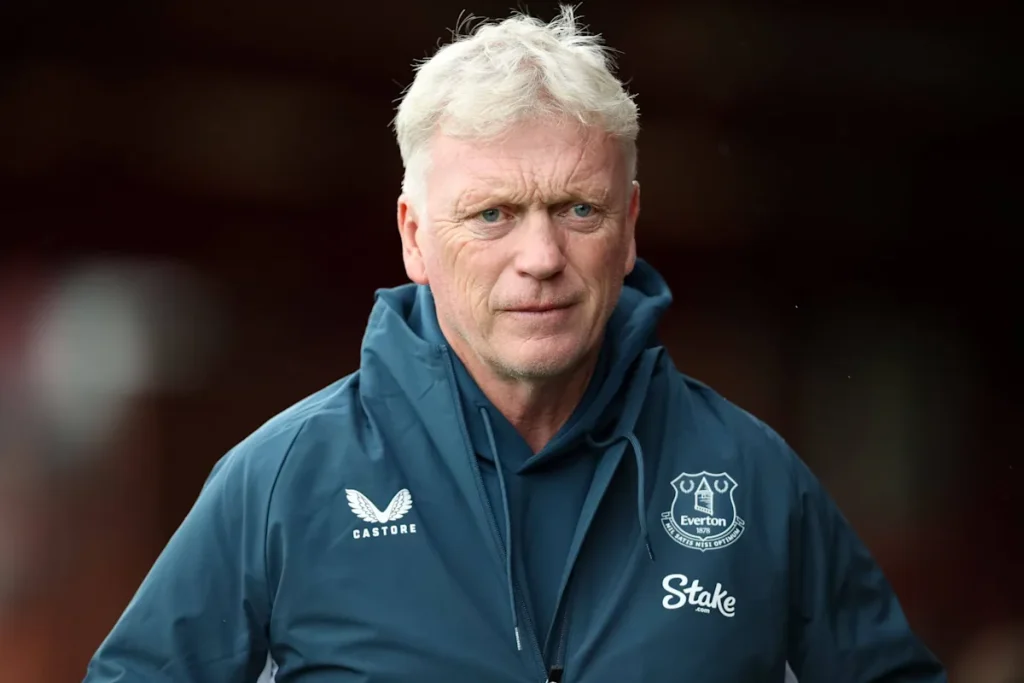
Everton face a defining January window after a year of progress under Moyes
Everton’s performance during the January transfer window was markedly different to this time last year. Twelve months ago, uncertainty was highlighted with the club hovering just above the relegation zone and facing another battle for survival in the Premier League. Decisive changes in the dugout changed that trajectory, restoring stability and confidence on and off the field.
advertise
The return of David Moyes proved crucial. He is familiar with the club’s culture and expectations and has been entrusted with guiding Everton out of danger and re-establishing a platform for growth. The brief was delivered and then some. With the safety secured and a sense of direction restored, attention now turns to recruitment and how Everton navigate the January window that could impact the rest of the season.
Restoring stability after turbulent times
Everton’s final year was defined by integration. Ownership of the Friedkin Group has brought a calmer backdrop, allowing football matters to take priority over off-field noise. Moyes has instilled clear standards that demand consistency and professionalism, even as injuries and suspensions have tested the squad’s depth.
The results reflect the new order. Everton no longer relies on short bursts of form to survive; instead, they have built a solid foundation, particularly in defence. While performances were not always stellar, they were competitive, organized and resilient, hallmarks of Moyes’ previous spell on Merseyside.
advertise
Crucially, the team has started to look more balanced. Some recent additions have made a positive contribution, while others show enough promise to suggest further development is possible. The challenge now is to ensure that momentum is not lost as the season enters its decisive phase.
January window priorities emerge
Despite public warnings from senior figures at the club, there is a growing belief that Everton need to remain active in the January transfer window. The team’s strongest starting lineup is capable of competing with most teams, but recent games have shown that the quality of the starting lineup can quickly decline when key players are absent.
Injuries, suspensions and international commitments are not hypothetical risks; they are certainties over the next four months. Everton have felt the effects of a lack of creativity and attacking threat in recent games, with an over-reliance on defensive stability exposed when goals are needed.
advertise
As a result, recruiting priorities have become clearer. The forwards are still among the best and can not only provide goals but also provide different performances in attack. Depth at full-back is also being considered, with the physical demands of Moyes’ system placing heavy pressure on the wing-backs. Another area under review is another midfield option who can contribute immediately and long-term.
Balance short-term needs with long-term planning
Everton’s difficulty lies not in identifying need but in executing a deal that is both financially realistic and consistent with long-term strategy. January is notoriously complicated, with rising prices and limited supply. Everton can’t afford short-term fixes that undermine future plans, but they also can’t risk a reactive approach that leaves the squad exposed.
As such, recruiting is expected to focus on players who can make an immediate impact while retaining value beyond this season. Loans, structured deals and carefully positioned purchases are all being explored, with recruitment teams tasked with maximizing flexibility within existing constraints.
advertise
Moyes’ influence here is huge. He made clear his desire to use the right tools to maintain standards in the second half of the campaign. The work done over the past year has laid the foundation, but stalling through inaction means missed opportunities.
Momentum must be protected in second half of season
Everton’s position is stronger than it has been for some time, but still fragile. The disparity in the Premier League is ruthless and a small dip in form can quickly undo months of progress. January therefore takes on a heightened importance, not as a dramatic reformation but as a period of intensification.
With a stable manager, an improved structure and a clearer football image, Everton are better positioned to enter the market than they have been in recent years. The task now is to act decisively, maintain momentum and ensure the second half of the season embodies the ambition displayed over the past 12 months.
If that balance is achieved, the January transfer window could prove less about survival and more about quietly pushing Everton forward again.