


In 2021, Colorado researchers at the Denver Zoo were shocked when they analyzed how the COVID-19 virus spread from humans to animals.
What happened?
A study published in December in the journal Nature Communications examined instances of the COVID-19 virus spreading from humans to big cats.
According to Westword, 11 lions and two hyenas tested positive after humans initially transmitted the virus to two tigers. Although lions and hyenas live in separate communities, there is no direct contact between the species.
“It’s a very unusual situation to see three different species become infected like this one after another, and we really don’t know how this happened,” said Sue VandeWoude, a veterinarian, virologist and study author at Colorado State University.[The zoo was] Take major precautions. “
Fortunately, the animals all recovered. However, researchers found that the COVID-19 virus mutated while inside the animals.
These include certain characteristics that can “increase viral replication and fitness,” according to the study.
This means that the version of the COVID-19 virus present in these animals can survive longer. Mutations can also make the virus spread more easily and potentially infect more hosts.
Why is it important to understand viral transmission?
Although transmission between humans and animals is rare, people are still spreading the COVID-19 virus today.
Investing in virus research can inform how to create vaccines and more to keep people healthy and safe.
This isn’t the only example of a large group of big cats falling ill in recent years. At the end of 2024, 20 big cats died from avian influenza in a Washington wildlife refuge. Scientists also noted a spike in cats infected with avian influenza in 2023 and 2024.
As COVID-19 continues to spread, it is possible that other viruses, such as strains of avian influenza, can jump from animals to humans. As the world warms, high temperatures can worsen symptoms of current illnesses, such as COVID-19.
Rising global temperatures are already affecting how vector-borne diseases spread. The World Health Organization says vectors are mosquito-like organisms that can transmit diseases from animals to humans.
Warmer temperatures expand mosquito habitats, extend their breeding and survival periods, and enable them to spread diseases beyond the rainforest.
How to stop the spread of the virus?
There are many tools you can use to stop viral spread and suppress viral mutations.
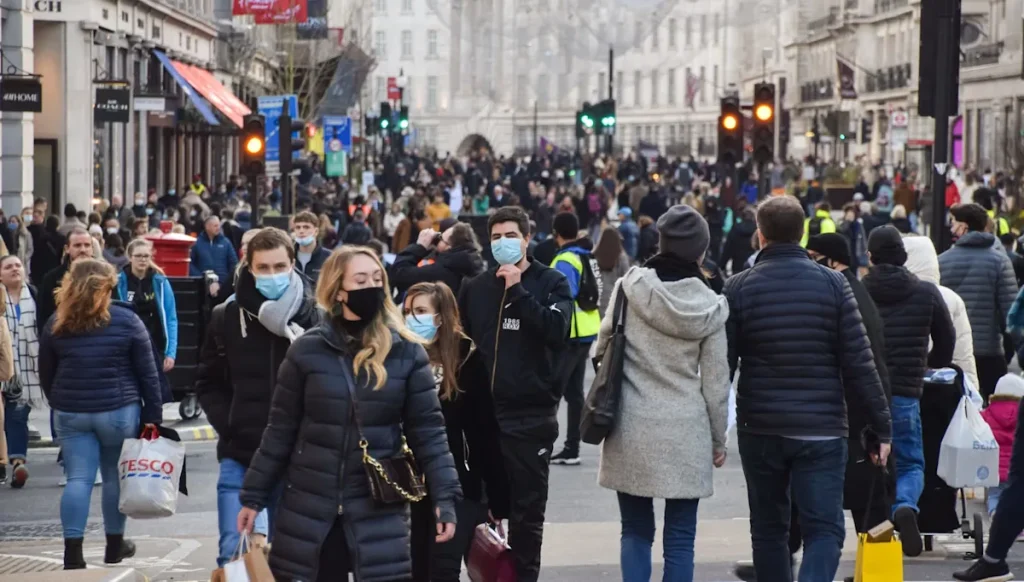
Masking and cleaning the air are very effective strategies for airborne pathogens like the COVID-19 virus.
The New York City Department of Health and Mental Hygiene recommends wearing a high-quality mask or respirator, such as a KN95 or N95. Both masks and air purifiers filter pollutants and allergens from the air you breathe.
For vector-borne diseases, insecticides work well. The Cleveland Clinic also recommends wearing protective clothing, draining standing water in places like gutters, and avoiding certain perfumes.
Meanwhile, plants like citronella and lavender can actually repel mosquitoes.
Get TCD’s free newsletter for simple tips to save more, reduce waste and make smarter choices, and earn up to $5,000 toward clean upgrades in TCD’s exclusive Rewards Club.