


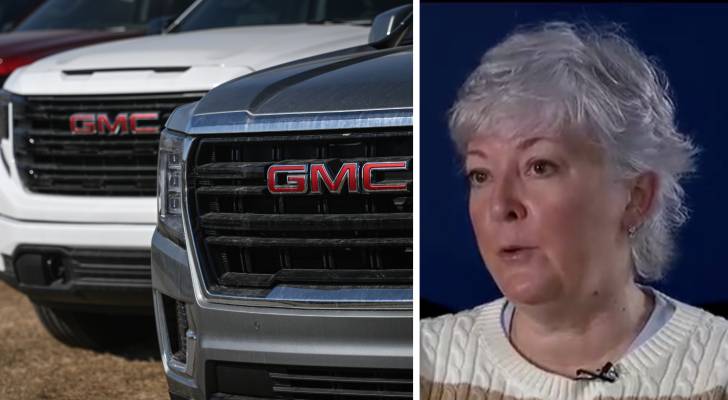
A Georgia family says a metro Atlanta car dealer took advantage of their elderly stepfather, who has dementia, by encouraging him to buy a nearly $90,000 car he didn’t need and couldn’t afford. The business disputed that claim and said the situation had been resolved.
The man’s family said a Kennesaw Carl Black GMC salesperson drove to the man’s home in Hiram, Georgia, picked him up and took him to the dealership, local station WSB-TV reported. He sold his 2017 Nissan Frontier for about $11,000, bought an expensive GMC truck, and paid the difference of more than $80,000 with a check.
The man later drove himself home, shocking relatives who said he rarely drove and had a record of cognitive decline.
The man’s stepdaughter, Jamie Faulkner, said her family was shocked when they saw the truck parked in his driveway.
“He is not in a good condition to enter into sale negotiations,” Faulkner told the station. “It makes us all angry that someone is taking advantage of the elderly.”
She said her stepfather once worked for General Motors and enjoyed going to dealerships to look at cars but lacked the ability to make financial decisions.
Doorbell camera footage shows a salesperson chatting with the elderly man at the door of his home and then driving him to a dealership to make a purchase.
The family was able to meet with the dealer and return the truck. They received a refund, but they claim it was incomplete because it did not include the trade-in value of their father’s 2017 Nissan, which had been sold by the dealer. They have filed a complaint with the state government.
The dealer declined to be interviewed on camera but provided a written statement through his attorney disputing the family’s claims. The elderly man “does not appear to be impaired in any way and does not have the ability to purchase a motor vehicle,” the statement said. Attorneys said the man drove off the lot without a caregiver or personal representative present.
“Since the matter has been fully resolved with Mr. Dow, Carl Blake Kennesaw is unaware of why Mr. Dow’s family chose to contact the media,” the statement said (1).
Read more: The average American net worth is a surprising $620,654. But that makes almost no sense. Here are the numbers that matter (and how to make them soar)
Purchasing a vehicle is one of the most important financial transactions most consumers make. Older adults are more susceptible to high-pressure sales tactics (2). Car purchases are especially complex because they involve reading detailed contracts, understanding financing terms and trade-in math.
The SEC warns that dementia increases the risk of financial exploitation, and this risk is higher if a person is targeted by someone they trust (3).
While a signed contract is usually binding, it can be declared void if the person is found to lack the mental capacity to understand what he or she is signing.
You can reduce the risk of your elderly loved one being taken for a ride (both literally and financially) by taking some basic safety measures.
Attach trusted contacts to financial accounts: This feature is similar to emergency contacts. It authorizes financial institutions to contact the account holder if it cannot be contacted, the account holder is acting differently, or there is unusual activity on the account that may indicate fraud or financial abuse (4).
Establish a Lasting Power of Attorney. Support your loved one in meeting with an attorney and choosing a trustworthy person to make legal, health, and financial decisions for them in the event they become incapacitated (5). The sooner you do this the better!
Consider a co-signer: If you have an older loved one who is struggling to manage their own affairs, it might be time to ask them to add you or another truly trustworthy family member as an authorized user on their account. This way, you’ll be able to spot unusual banking, investing, or credit card activity as soon as it occurs.
If a suspicious transaction occurs, family members must act quickly.
Here are some options:
-
Contact the business in writing
-
File a complaint with a state consumer protection agency
-
Document medical diagnoses that may affect capacity
-
If you suspect a crime, report suspected financial exploitation or abuse to Adult Protective Services (APS) or your local police or sheriff’s office
This case highlights the importance of proactively protecting loved ones from financial harm. Cognitive decline can be difficult to detect, and you may not be able to see your elderly family member every day. That’s why it’s so important to have these conversations early and develop a plan to protect them as soon as possible.
Join more than 200,000 readers and get first access to Moneywise’s best stories and exclusive interviews – curated and delivered with clear insights every week. Subscribe now.
We rely only on vetted sources and reliable third-party reports. For more information, see our Editorial Ethics and Guidelines.
WSB-TV (1) Psychology Today (2) SEC (3) Investor.gov (4) National Academy of Elder Law Attorneys (5)
This article provides information only and should not be considered advice. It is provided without any warranty of any kind.