


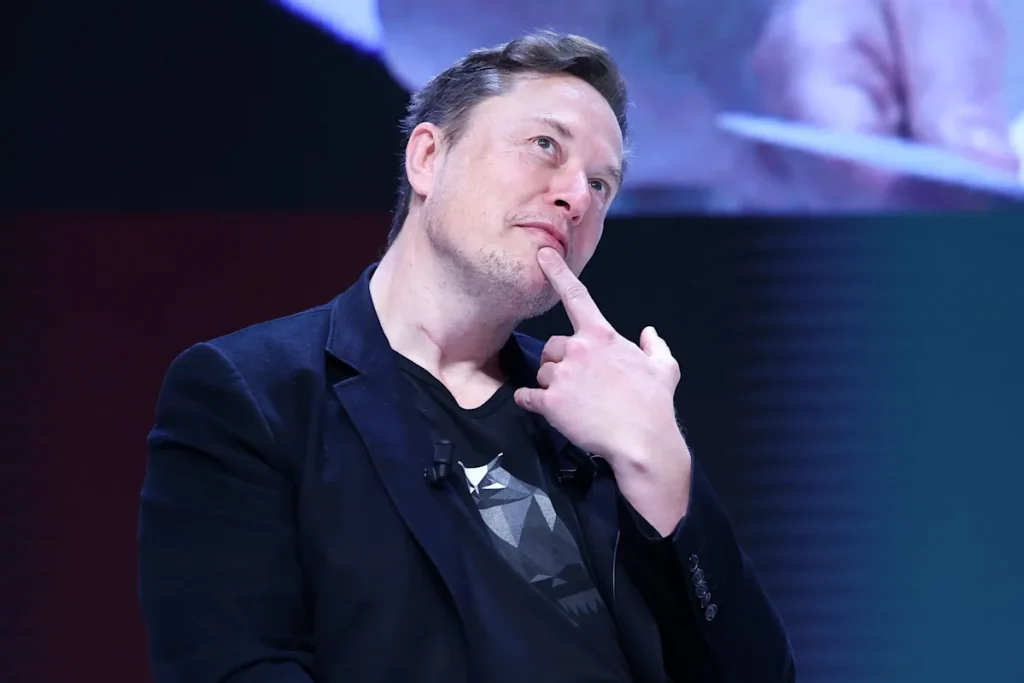
Elon Musk says there is no point in saving for retirement due to the coming “supersonic tsunami” of artificial intelligence and robotics that will usher in a world of zero scarcity.
While the CEO of Tesla and SpaceX admits he’s “more optimistic” than most, he insists people shouldn’t feel pressured to build reserves for the distant future, contrary to the firm advice of almost every other financial professional.
“Don’t worry about saving for retirement in 10 or 20 years,” the world’s richest man told Fortune magazine. Moonshot with Peter Diamandis Last week’s podcast. “It doesn’t matter.”
Part of Musk’s controversial views lies in his vision of a world transformed by rapidly improving artificial intelligence, robotics and energy technologies.
Musk predicts that by 2030, artificial intelligence will surpass “the combined intelligence of all humans.” He also claims that eventually there will be more humanoid robots than humans on Earth. Slowly, traditional jobs will also be replaced, starting with white-collar positions.
“In addition to shaping atoms, AI may now be able to do half or more of that,” he said.
These advances, he said, could lead to huge gains in productivity that even exceed “what one might think of as affluent.”
Instead of a universal income, he claims, everyone will enjoy a future where “you can have whatever you want”. This is a world where the connection between individual wages, savings and living standards no longer makes sense.
Even without savings, AI will help people access better health care within five years than they currently have, and remove any restrictions on goods, services, or educational opportunities.
Musk’s comments build on his previous claims that artificial intelligence and humanoid robots will make jobs “optional” and money itself irrelevant within 10 to 20 years. Musk has previously likened the future of work to leisure activities like sports or video games, rather than survival necessities.
“If you want to work, [it’s] Likewise, you can go to the store and buy some vegetables, or you can grow them in your backyard. It’s a lot harder to grow vegetables in your backyard, but some people still do it because they enjoy growing vegetables,” Musk said at a U.S.-Saudi investment forum in November.
To be sure, Musk’s predictions about the future come at a time when many Americans are struggling to save. Due in part to persistent inflation and weak wage growth, only 55% of U.S. adults say they have three months of savings in a “rainy day” fund for emergencies, a Federal Reserve survey showed, down from a high of 59% in 2021. Less than half of those surveyed said they could pay $2,000 or more in savings.