


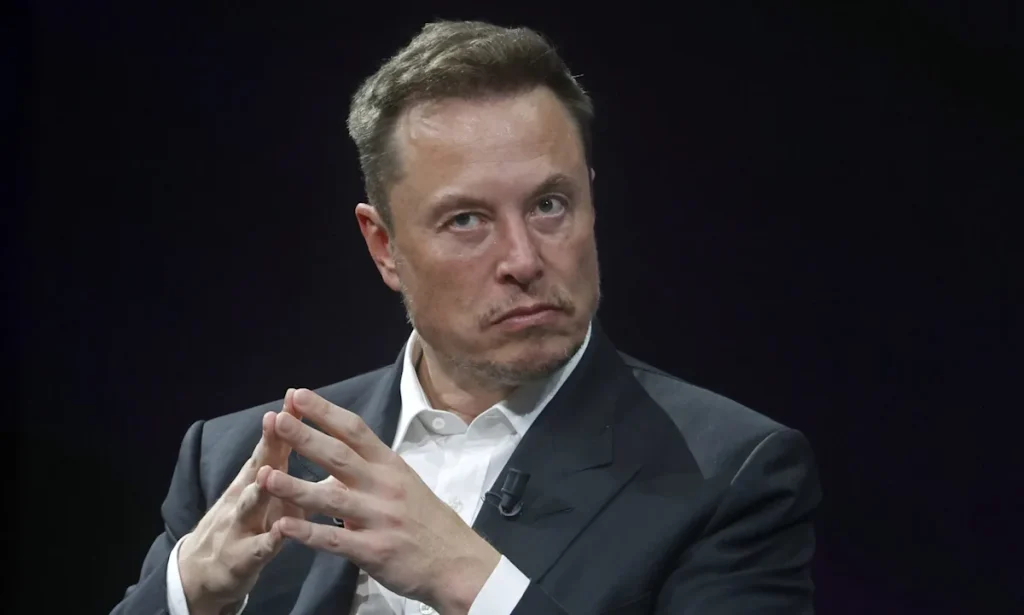
The future of work as we know it is at stake—at least, that’s what many technology leaders have been saying. Elon Musk predicts that artificial intelligence will replace all jobs in less than 20 years. Bill Gates says even those trained to use artificial intelligence tools may not be able to escape its clutches. Then there’s Klarna chief executive Sebastian Siemiatkowski, who warned workers that “tech bros” were whitewashing how serious the impact on jobs would be.
But a LinkedIn executive said the data showed otherwise.
With hundreds of millions of workers looking for work and employers posting job openings in real time, LinkedIn has become one of the clearest barometers of what’s actually happening, and its EMEA managing director Sue Duke isn’t convinced by claims of an AI apocalypse.
“That’s not what we’re seeing,” Duke revealed at the Fortune CEO Forum at the Shard in London. When asked about the hiring slowdown caused by artificial intelligence, she insisted that the opposite is true.
“What we’re seeing is that organizations that are adopting and integrating this technology are actually going out and hiring more people to really leverage this technology,” Duke explained.
“When they realize the business opportunity, the innovation possibilities and ultimately the growth possibilities of this technology, they go out and find more business developers, more tech-savvy people and more salespeople.”
For the millions of Gen Z job-seekers who are constantly told that entry-level jobs are about to be gobbled up by artificial intelligence and that a youth unemployment crisis is brewing, the news will come as a welcome surprise.
LinkedIn exec breaks down what employers are looking for in new hires in 2026
Duke said there are two key areas to upskill for those looking to make the most of shifts in the job market.
Unsurprisingly, the first is the AI skill. Whether it’s literacy, tools, instant writing or more technical skills, “we continue to see these AI skills being very hot in the labor market,” she said.
As companies race to integrate automation into products and workflows, no matter what industry you want to work in, this demand isn’t cooling down anytime soon. “We’re seeing huge demand for these skills across the economy, across all industries, and a huge number of companies looking for these skills,” Duke added.
As artificial intelligence takes over many administrative tasks, it brings into focus job functions that robots cannot perform. “Those uniquely human skills,” Duke said, are the second area employers focus on. “They remain rock solid and remain at the core of recruiting desires and needs. They are not going away either.”
She points out that communication, team building and problem solving are human skills that stand the test of time: “They are worth investing in.”
Ultimately, the skills employers are looking for are not technical at all, but adaptability. Bosses know that tools change faster than positions. What they want is someone who can change with them.
“The most important thing for job seekers to consider is the mindset you’re trying to convey,” Duke concludes.
“What employers really need is a growth mindset and understanding that this technology is moving very, very quickly and we need adaptability. Adaptability is at the top of the list of skills that are most in demand, so making sure you have that mindset, bring that agility, is going to be really important.”
This story originally appeared on Fortune.com