


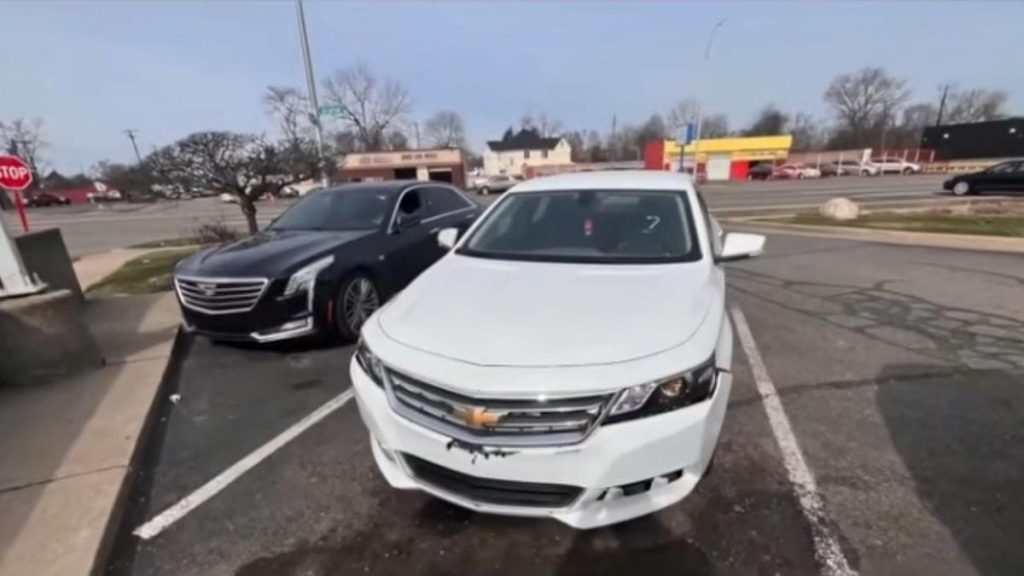
A metro Detroit family’s frustrating experience buying a used car has now been resolved, but not before a dealer’s mistake could leave buyers stranded without being able to legally drive the vehicle.
When Taylor Kelly bought a 2015 Chevrolet Impala from All City Auto Sales in Detroit on March 2 for a little more than $4,000, she thought she’d gotten a modest but reliable ride. For many buyers, especially those on a tight budget, a deal like this represents both independence and necessity. But within days, that feeling of relief turned into confusion and pain.
When Taylor went to the Michigan Secretary of State’s office to register her car, she expected an easy process. Instead, she was told something shocking. She did not legally own the car, according to state records. Unable to complete registration. There is no way forward until the issues related to the title are resolved.
A father steps in to help
The news hit hard. Taylor called her father, Marcus Kelly, in tears.


Taylor’s father/Photo credit: WXYZ-TV Detroit/Channel 7/YouTube.
Concern quickly turns into action when Marcus steps in to help his daughter cope with a seemingly impossible situation. Together, they went back to the dealership to get answers, hoping it was a clerical oversight that could be corrected quickly.
At the dealership, they were told there was nothing immediate action could be taken. This reaction only deepened their suspicions. After further questioning, the family learned the possible cause of the problem. There appears to be a valid lien on the vehicle title.

Photo Credit: WXYZ-TV Detroit/Channel 7/YouTube.
A lien usually means the lender still has a financial interest in the car, which prevents a clean transfer of title until it is cleared.
The dealer disputes this claim, insisting they purchased the car for free and without a credit acceptance. However, the Secretary of State and local police say otherwise. Faced with conflicting explanations, Marcus chose to trust official records rather than dealer guarantees.
With no progress being made, the family turned to local investigative journalists for help. Once media attention begins, dealers are under pressure to resolve the issue quickly.
Dealer’s response
Derek Hunter, co-owner of All City Auto Sales, acknowledged that title issues can arise from missing signatures or administrative errors that result in the state rejecting paperwork.

Photo Credit: WXYZ-TV Detroit/Channel 7/YouTube.
He insisted the temporary license plate issued to Taylor was still valid and said the matter would be resolved by the end of the next business day.
That promise proved accurate, but the speed of the resolution raised new questions. Auto law attorney Steve Lehto said this situation should never have happened in the first place. Under Michigan law, the dealer is expected to hold the title to the vehicle until the sale is completed. This ensures that the buyer can transfer the title and register the vehicle instantly without any complications.
Lehto explained that when a buyer is unable to register a vehicle immediately, it is a strong indication that the dealer failed to follow proper procedures. Whether the issue is a lien, missing documents, or other administrative oversight, it is the seller’s responsibility to ensure that all documentation is complete and accurate before handing over the keys.
After reporters intervened, the dealer corrected the problem and allowed Taylor to continue to register the car in her name. While the immediate issue has been resolved, the experience has left the family shaken and more cautious about future transactions.
Hard-earned lessons

Photo Credit: WXYZ-TV Detroit/Channel 7/YouTube.
Experts say cases like this highlight the importance of verifying title status before buying a used car. It’s absolutely possible that the dealer knew about the lien or title defect and was betting that the buyer wouldn’t discover it until later. There are cash flow advantages.
Dealers sell cars quickly, collect payments, and delay clearing liens. While buyers struggled to sign up, they kept their cash. If a buyer urgently needs transportation, they may pay off the lien themselves or accept an inflated “processing fee” to fix the problem.
Issuing a temporary license buys dealers time. The buyer can legally drive it for several weeks before title issues are discovered. By insisting that cars are sold “free and transparent,” dealers blame lenders or state bureaucracies in the hope that buyers will give up or bear the cost.
This strategy relies on confusion and the buyer’s limited knowledge of title laws. But for dealers, it’s risky. Michigan law requires clear title at the time of sale, so knowingly passing on a lien could expose them to fraudulent claims and regulatory penalties.
Buyers are encouraged to request evidence that the title is clear and owned by the dealer. If something goes wrong, contacting regulators can expedite accountability.
Taylor and her family are delighted with the resolution, but the ordeal also taught us a hard-won lesson about the hidden risks that can come with even the most straightforward car transaction.
If you want to know more stories like this, please follow Guess the headlights exist Yahoo That way you don’t miss what’s coming next.