


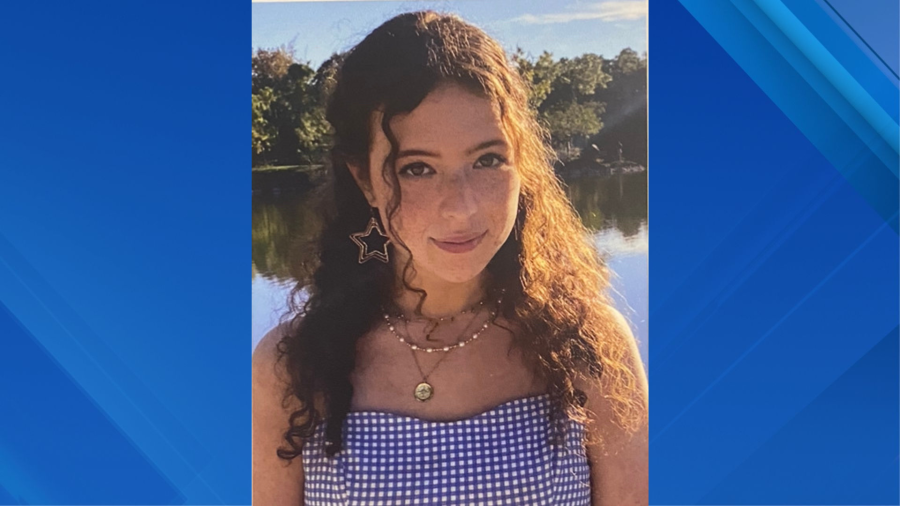
NEW YORK (PIX11) — A New Jersey mother is sharing her daughter’s story in hopes of changing the way highly caffeinated drinks are labeled nationwide, an effort that is now reaching Capitol Hill.
“My life changed forever that day,” Jill Katz said. It had been many years since her daughter Sarah had died. In 2022, the 21-year-old college student suffered a cardiac arrest while out with friends. Her mother said it all started with a glass of caffeinated lemon water.
“She was at a friend’s birthday party in college and she collapsed. She didn’t survive,” Katz said. “This phone call keeps parents up at night.”
More local news
Sarah suffered from heart disease and her family said she had always been careful about her diet. According to her mother, she didn’t realize that the 30-ounce drink she ordered at a popular chain restaurant contained as much as 390 milligrams of caffeine.
For context, the FDA says most healthy adults should consume no more than 400 milligrams of caffeine per day, so the single serving Sarah drank was close to that limit. “Grief brings not recovery but transformation,” Katz said. “Being a part of her legacy and being able to save the lives of others in her memory.”
More: The latest news from across the tri-state
The restaurant chain has removed it from its menu after being hit with multiple lawsuits.
Why caffeine content matters
Caffeine is widely used to boost energy by stimulating metabolism and speeding up the heartbeat. However, doctors say there may be risks with high doses, especially for people with underlying medical conditions.
According to the Caffeine Informer database, a cup of espresso contains approximately 77 milligrams of caffeine. Energy drinks contain anywhere from 80 to 300 milligrams, depending on the brand and strength. “When you get that much stimulation and the heart isn’t ready, they collapse,” said cardiologist Dr. Daniel Garcia.
Garcia said the lack of consistent labeling and regulation of caffeine is dangerous for everyone, from college students to seniors. “As a cardiologist, I would totally recommend against drinking any energy drinks or high-caffeine drinks,” he said. “You don’t know exactly what the amount is and how your body is going to react.”
The bill was inspired by Sarah’s story
Now, Sarah’s death has drawn the attention of lawmakers.
New Jersey Congressman Rob Menendez is pushing the Sarah Katz Caffeine Safety Act, federal legislation that would require clearer warnings about caffeine in food and beverages.
If passed, the bill would:
-
Require companies to clearly list caffeine content on bottles, cans and packaging.
-
Require restaurant chains to disclose caffeine content on menus.
-
Label items containing 150 mg or more of caffeine with a prominent “High Caffeine” warning.
-
Added advisory language regarding recommended daily caffeine intake.
-
Orders federal health agencies to study the health effects of caffeine and conduct public education campaigns.
Supporters say the goal is not to ban caffeinated drinks but to ensure consumers know what they are drinking before they drink it. “People need to know what they’re putting into their bodies,” Katz said. “We’re not talking about restrictions or bans. We’re talking about making informed choices.”
The bill has bipartisan support in Congress, with 14 Republicans and Democrats co-sponsoring it.
Copyright 2026 Nexstar Media, Inc. All rights reserved. This material may not be published, broadcast, rewritten or redistributed.
For the latest news, weather, sports and streaming videos, head to PIX11.