


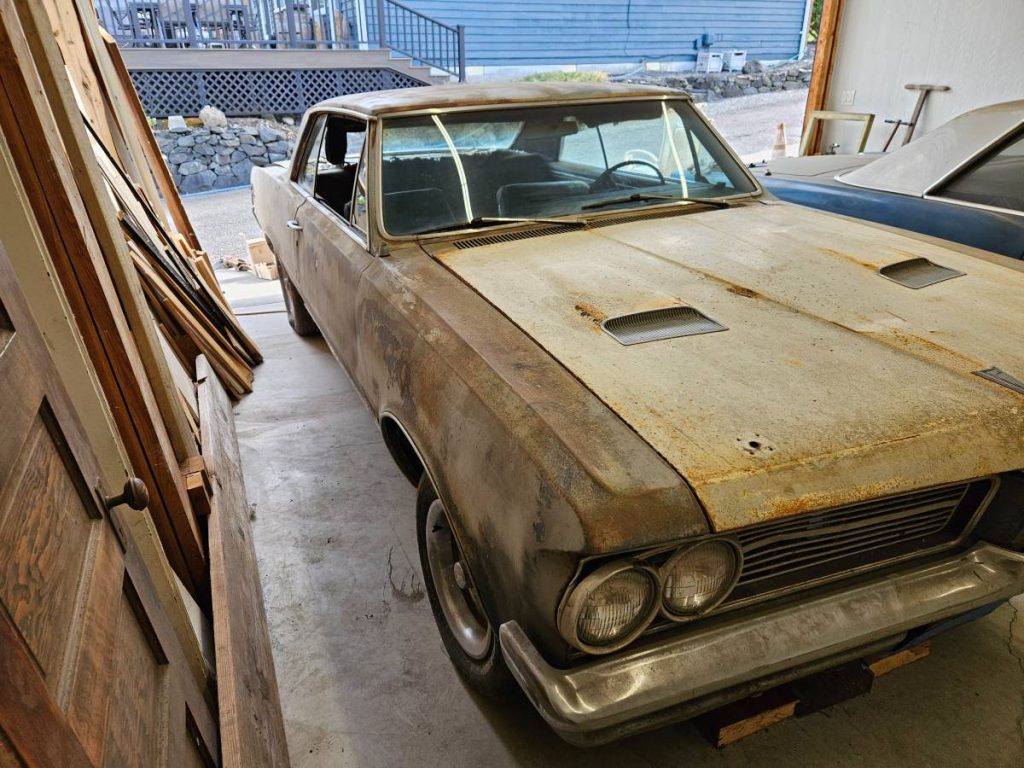
The collectible car market is constantly selling fantasy. Reality just parked it on the side of the road and left it parked for four months.
A 1964 Pontiac GTO Tri-Power project has been on the market for months, but buyers keep leaving. The price dropped from $16,500 in October to $13,500 in February 2026, but interest has still not materialized. This is no fluke. This is a correction.
It’s a reckoning for a market that has spent years convincing people that any badge, any project, any “viable” classic is worth a premium. The name GTO carries a lot of weight. In 1964, it helped usher in the muscle car era with a 389-cubic-inch engine pushing 325 horsepower and an optional Tri-Power setup pushing 348 horsepower. It’s affordable, easy to use, and built for real drivers.
What’s sitting now is something else entirely.
The car needs work everywhere. Surface rust on floors and trunks means time and money. The interior needs a complete restoration. The engine had been taken apart and could not even be tested. Parts are included, but questions remain about originality and condition. Every missing or problematic component adds cost, risk and uncertainty.
This is where the industry’s nostalgia machine breaks down. Marketers tell buyers these projects are gateways to history. Reality told them it was an expensive commitment with no guarantees. Shipping costs, shipping logistics and the need for verification only increase the risk.
Buyers are finally paying attention.
People don’t leave because they don’t understand the GTO’s legacy. They are walking away because they do. They know recovery is not a weekend job. They know that a “complete” project will still consume time, money, and patience. They know photos online don’t tell the full story.
The wider failure stems from a culture of inflated expectations. Sellers are told that demand will always be there. Buyers are told that enthusiasm will outweigh the cost. Neither approach holds water when a project requires deep pockets and endless labor.
Now the price has dropped. Interest Stalls. The news landed.
The collector car world is being forced to confront the gap between hype and reality. Projects that were once driven by reputation alone must now prove their worth. The market is not panicking. It is correcting.
For the first time in a long time, nostalgia wasn’t enough to seal the deal.
via cragislist