


Author: Amina Nias
NEW YORK, May 1 (Reuters) – Americans enrolled in Medicare Advantage health plans can expect to see fewer additional benefits such as gym memberships, vision and dental coverage next year, investors and industry experts said.
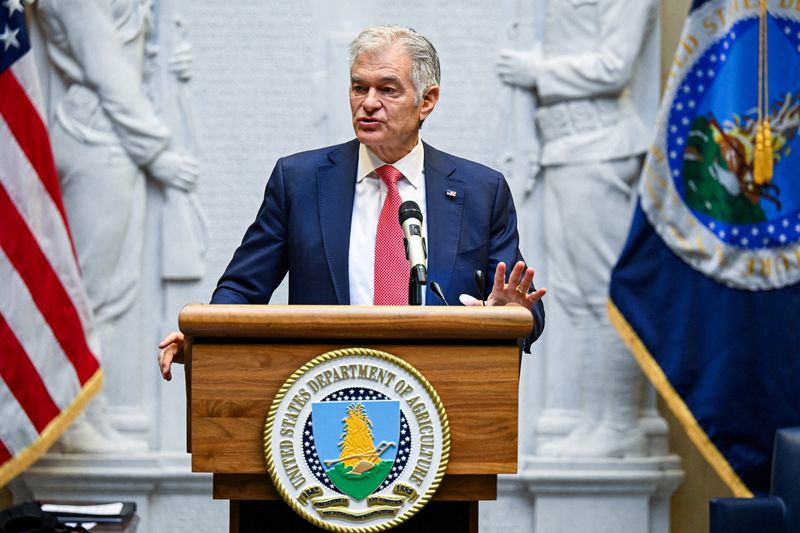
The U.S. government said earlier this month it would increase payments to insurers administering Medicare Advantage plans for people 65 and older or disabled by an average of 2.48% in 2027. Dr. Mehmet Oz, head of the Centers for Medicare and Medicaid Services, is targeting cuts in federal health program spending.
Insurance executives have said in recent weeks that those rates, while higher than originally proposed, were not good enough. On Wednesday, Humana said benefit cuts were needed.
Add-on services including vision, hearing, dental, fitness programs, meal and transportation assistance have lured half of the 70 million Medicare beneficiaries into managed care plans rather than the government’s standard fee-for-service plans.
Insurer benefits may be cut
Cutting some benefits and exiting certain regions or states could protect Humana and its rivals, including UnitedHealth Group Inc.’s UnitedHealthcare and CVS Health’s Aetna, from additional costs, five investors said.
Medicare Advantage plans account for 80%, 33% and 12% of revenues for Humana, Aetna and UnitedHealthcare respectively.
“All insurance companies are likely to cut benefits, but Humana is cutting it the most,” said Kevin Gade, chief operating officer of Bahl and Gaynor.
Gade said cutting those benefits would encourage expensive members with higher medical needs to seek other plans.
“Aetna continues to provide high-quality insurance in a manner that is sustainable for our customers and our business,” a CVS Health spokesman said. UnitedHealth declined to comment.
Humana Chief Executive Jim Rechtin said on a conference call with analysts and investors on Wednesday that the company will have to make cuts to meet profit targets, but it will try to preserve what is most important to its members.
“We will adjust benefits to stay on track and deliver on our 2028 commitment to return to sustainable margins of at least 3%,” Rechtin said.
UnitedHealthcare director of government programs Bobby Hunter said earlier this month that funding for its Medicare Advantage business remains below expectations through 2027, but he stopped short of signaling benefit cuts.
“As health plans incorporate recently issued policies, they remain committed to keeping coverage and care as affordable as possible,” said a spokesperson for AHIP, the insurance industry trade group.
Plan changes, voter backlash
Morningstar analyst Julie Utterback said Humana offers more benefits than its competitors in its 2026 plans.
“Potential benefit changes in 2027 may just be a matter of leveling the playing field for Humana relative to its peers,” Utterback said.
Medicare Advantage insurers typically wait until June to announce plan changes, she said. Utterback said change is “not impossible” based on UnitedHealth’s recent comments.
Investors say Medicare Advantage companies will stand out because of their quality or “star” ratings, which determine bonus payments and boost profitability.
“You have to be very cautious right now in managed health care, especially companies that have high government exposure and average ‘star’ ratings, and that’s where Humana is,” said Stephanie Link, chief investment strategist at Hightower Advisors, which owns less than 1% of UnitedHealth.
Enrollment for Medicare Advantage plans will begin in October, just before the U.S. midterm elections that will determine whether Republicans can maintain control of Congress. Voter anger over rising costs is often directed at the ruling party.
“When Medicare Advantage funding doesn’t keep up with costs, seniors pay the price. We see this happen year after year,” said Susan Reilly, vice president of communications for the Alliance for Better Medicare, a coalition advocating for the program.
Older people tend to vote in large numbers.
Alex Mills, a professor at Baruch College’s Zicklin School of Business, said customers may be surprised by increases in out-of-pocket costs, which could create political pressure.
“It wouldn’t be shocking if there was some backlash,” said Bill Smead, founder and chief investment officer of Smead Capital.
(Reporting by Amina Niasse; Editing by Caroline Humer and Bill Berkrot)