


Travelers who don’t yet have a REAL ID may face New $45 fee Starting February 1, the Transportation Security Administration will begin imposing additional fees on passengers who do not have enhanced identification to help offset the cost of additional screening.
Instead of turning away travelers at airport checkpoints, the TSA plans to conduct additional identity screening for passengers without compliant identification, such as a REAL ID or passport. The program, called “ConfirmID,” requires passengers without real ID to answer a series of questions about themselves to verify their identity.
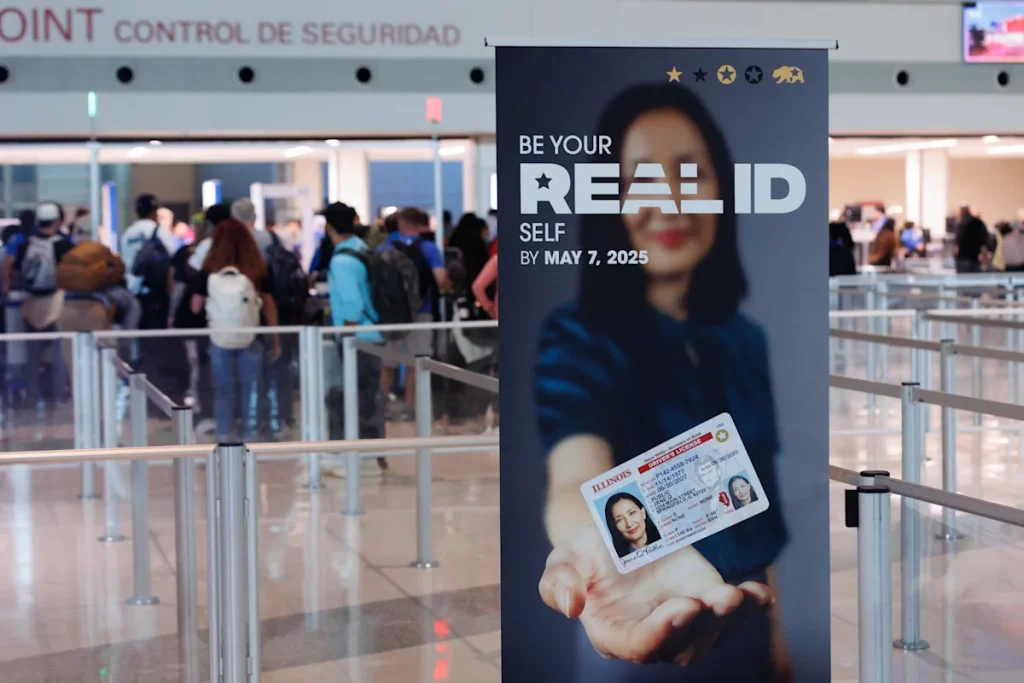
A REAL ID card is a federally compliant state driver’s license, learner’s permit or non-driver identification card, identified by a black or gold star in the upper right corner. Earlier this month, the TSA said passengers without Real IDs should plan ahead to avoid delays at airports starting Sunday, when the agency rolls out a new confirmed ID program.
“TSA Confirm ID will be an option for travelers who do not bring a REAL ID or other acceptable form of identification to a TSA checkpoint but still want to fly,” Adam Stahl, the senior official with TSA deputy administrator responsibilities, said in a Jan. 15 statement.
The TSA still encourages all passengers to obtain REAL ID and describes the fee as a backup option. “To avoid delays or missed flights, all travelers should obtain a REAL ID or other acceptable form of identification before traveling to the airport,” Starr said.
Experts say the ConfirmID program could slow down the screening process for everyone, even as it will help travelers without real ID get through security.
Here’s additional information about the $45 REAL ID fee and how to avoid paying it.
Who must pay the fee?
Anyone without a REAL ID or REAL ID-compliant form of identification, such as a passport or a Department of Homeland Security-trusted travel card, may pay additional fees at airport security checkpoints across the U.S.
The TSA announced the new fee in December, saying at the time it would apply to “all passengers who are unable to present acceptable identification but still want to fly.”
According to the TSA, the fare collection system will verify the passenger’s identity within 10 days.
The TSA notes that the process for verifying ID varies by airport. The TSA has long relied on alternative methods to verify passenger identities, such as allowing passengers who have lost their ID to fly.
“This has been a long-standing policy. What’s changed here is they’re now charging,” said Julian Kheel, CEO and founder of travel insights provider Points Path.
When do I pay the fee?
The Transportation Security Administration urges travelers to pay fees online before arriving at the airport. The agency said it is working with third-party providers in the private sector to facilitate payment options.
If you do not have acceptable identification, visit tsa.gov/ConfirmID before traveling. You will receive a receipt via email and should show it to the TSA officer at airport security. The ConfirmID website accepts the following types of payments:
Bank Account (ACH) PayPal Account Venmo Account Debit or Credit Card
Travelers who don’t pay in advance may experience delays at the airport, increasing the risk of missing their flight. Keel said travel insurance holders should not expect their policies to cover such incidents.
The TSA says passengers can expect the entire process to take an additional 30 minutes and should plan accordingly.
Do I match my true identity?
According to the TSA, approximately 94% of travelers meet REAL ID requirements. This means they hold a REAL ID card or other form of acceptable identification, including a passport from any country. Kiel noted that many travelers may not know they are in compliance, even if they have not yet obtained a REAL ID.
“You may already have a surrogate for your real identity in your wallet but you don’t even know it,” he said.
You can view the full list of TSA-accepted forms of ID to see if you need to pay a fee.
Given the high compliance rate with the policy, the $45 fee is not expected to be a significant source of revenue for the TSA. However, it does ensure that the cost of identity verification is borne by travelers, not taxpayers, according to the TSA.
Don Lemon Arrested in Los Angeles, Sources Say
Alex Pretti’s family reacts to video of scuffle 11 days before death
School principal talks about father and son detained by ICE: ‘Open your eyes’