ALGIERS, Algeria (AP) — Algerian lawmakers voted to outlaw France’s colonial rule of the North African country as a crime, approving a law calling for the return of property seized by France during its 130-year rule and other demands seeking to right historical wrongs.
France slammed the law as a “hostile act” that threatened bilateral efforts to heal the wounds of the past. The two countries maintain close cultural and economic ties, but diplomatic relations are in trouble.
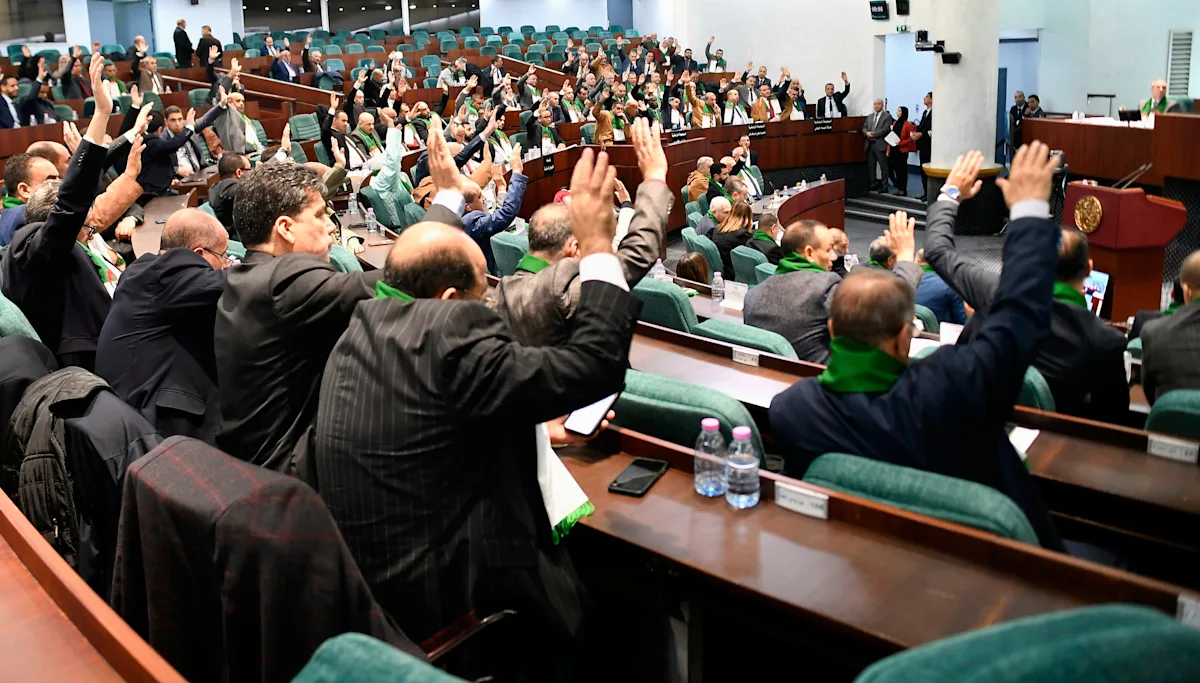
In a solemn ceremony filled with symbolism, 340 of Algeria’s 407 members of the National Assembly voted to adopt the law on Wednesday night. Just a few weeks ago, African countries collectively resolved to recognize and compensate for colonial-era crimes.
The law covers the period from 1830, when King Charles X’s troops landed on the beach at Sidi Ferrukh, west of Algiers, until July 5, 1962, the date of Algeria’s formal independence.
The text provides for the return of Algerian archives and property transferred to France during the colonial period and the transfer to Algiers of detailed maps of French nuclear tests in Algeria from 1960 to 1966. It also demands the return of some remains of Algerian resistance fighters taken to France.
The law makes any act by Algerians celebrating French colonialism, attacks on symbols of the Algerian resistance and “speeches with colonial connotations” punishable by prison terms.
France is unlikely to pay attention to the requirements in the law.
The French foreign ministry spokesman’s office said in a statement to The Associated Press that the law was a “clearly hostile measure.” It noted French President Emmanuel Macron’s efforts to address colonial-era grievances, adding: “We will continue to work to restore dialogue”, particularly on security and migration issues.
In 2017, Macron described France’s historical events in Algeria as a crime against humanity but did not formally apologize. Meanwhile, France’s resurgent far right celebrates colonialists.
The economic costs of colonialism in Africa are believed to be staggering. Algeria suffered the most brutal French colonial rule.
Although Algeria was legally part of France and its men were conscripted in World War II, nearly a million European settlers enjoyed greater political, economic, and social privileges. Hundreds of thousands have died in the Algerian revolution, in which French forces tortured detainees, disappeared suspects and destroyed villages as part of a counterinsurgency strategy to maintain its grip on power.
A huge Algerian flag adorned the lower house of parliament on Wednesday as Speaker Mohamed Buhari delivered his opening address.
“Today, December 24, 2025, is a historic day that will be written in gold in the national narrative,” he began, before being interrupted by MPs who recited an excerpt from the Algerian national anthem: “O France, the moment of reckoning has come… We vow to revive Algeria, witness! Witness!”
A spokesman called the law “a political message and a clear moral stance.”
Government officials, professors and former congressmen who support the bill were invited to the ceremony. When the spokesman announced that the law had been adopted, people rose from the floor shouting “Allahu Akbar!” and “Tahiya al-Jazal!” (Long live Algeria!).
Mohamed Arezki Ferrad, a former lawmaker who sponsored the bill, told The Associated Press: “This is a special day for me, full of emotion and pride. Today marks the culmination of a long struggle we have been fighting with other members of parliament since 2001 to commemorate and honor all those who fought against French colonial rule.”
The law has 5 chapters and 27 articles, stipulating that crimes committed during the colonial era have no statute of limitations.